In Alabama’s factories, shipyards, mills, and public buildings, asbestos was a common presence that most workers never realized they were inhaling. Identifying the common Alabama asbestos exposure job sites can help families understand how illnesses developed and give them a starting point for seeking accountability.
Whether you were exposed at a textile mill, power plant, or refinery, establishing when and where you were exposed is very important when it comes to seeking justice.
Founding partners Mona Lisa Wallace and Bill Graham have 30-plus years of experience investigating asbestos exposure in Alabama and across the country. Our firm knows how to access employment archives, plant logs from decades past, and product records to help victims build strong cases.
The industrial heritage of Alabama extends over many years, but our dedication to pursuing negligent corporations and supporting workers seeking their rightful compensation matches this legacy.
Industrial Exposure Across Alabama’s Manufacturing Belt
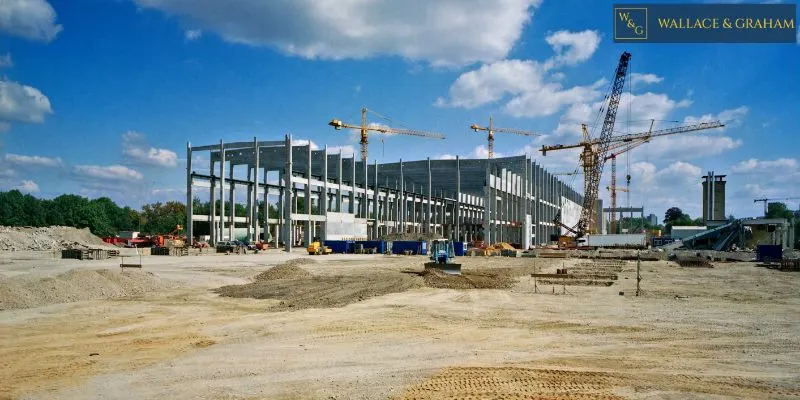
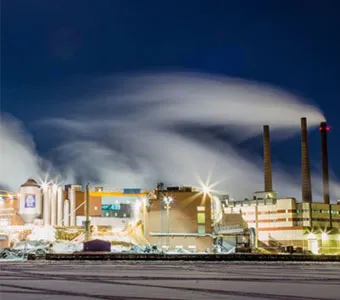
Alabama’s history of steel, paper, and textile production created jobs and contributed to economic development, but it also left generations of workers with asbestos exposure. In Birmingham, Mobile, Tuscaloosa, and other cities and towns, facilities used asbestos to insulate pipes, turbines, and boilers, unaware that they were putting workers’ health at long-term risk.
The Centers for Disease Control and Prevention (CDC) reports that Alabama’s mesothelioma incidence rate is one of the nation’s lowest at around 0.6 per 100,000 people, but that number still represents families that have suffered due to industrial practices that failed to heed safety warnings for decades.
Paper Mills, Power Plants, and Plant Workers at Risk
Paper and power plants utilized asbestos for insulation and fireproofing for decades in Alabama. Employers worked near heat-generating machinery, where components were often packed with asbestos.
Courtland, Selma, and Childersburg employees are most at risk in maintenance and electrical work, cutting, scraping, or replacing damaged materials. Leftover fibers from renovation on older plants can still pose risks without abatement today.
Construction Trades and Home Renovation Dangers
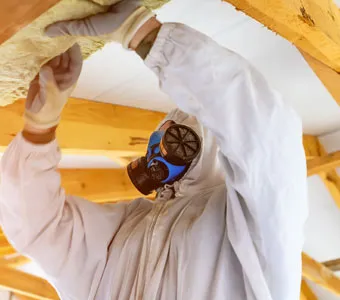
Nearly every construction material in Alabama included asbestos during the building period. Roofing shingles, drywall joint compound, and floor tiles had asbestos. Many homes and pre-1980 schools still contain some asbestos-containing products.
Renovation, plumbing, and painting jobs still lead to a risk of drilling or sanding through older layers of asbestos insulation or cement products today in Huntsville, Montgomery, etc., with the danger often not discovered until it is too late.
Common Locations of Asbestos Exposure in Alabama
The asbestos risk impacted almost every occupation in Alabama. The legacy from each of these job sites still impacts families today when older buildings are remodeled or demolished. Common industries include:
Shipyards/barge facility along Mobile Bay
Steel/paper Mills in Birmingham and Courtland
Public schools and hospitals pre-1990
Power generation plants throughout central Alabama
Understanding the Health Effects of Asbestos Exposure in Alabama
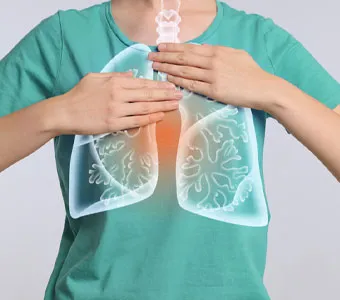
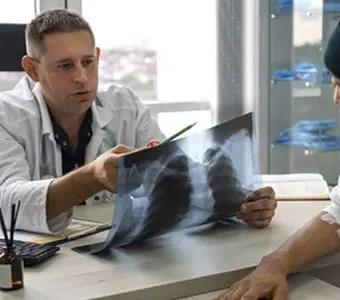
The damage caused by asbestos doesn’t happen immediately. It builds slowly over many years or even decades. Alabama workers commonly develop enduring health problems, such as chest pain and a persistent cough, after leaving asbestos-associated jobs. They often mistake these early warning signs for common respiratory conditions, so diagnosis is often delayed.
Over time, the buildup of trapped asbestos fibers in the body can cause scar tissue in the lungs (asbestosis), aggressive cancers, like mesothelioma, or other diseases of the lungs. If you notice any of these symptoms, it’s important to see a doctor as soon as possible to test for disease and connect the symptoms with past exposure to asbestos.
FAQs
Where Was Asbestos Commonly Used in Alabama?
Asbestos found its way into Alabama’s leading industries, from steel mills in Birmingham to shipyards in Mobile and paper plants in Courtland. Workers used asbestos to line boilers, turbines, and other piping systems that required heat resistance.
Without masks or warnings, workers touched these materials, put them in their mouths, or simply inhaled them as a part of the job. Now, years later, the same job sites are the subject of asbestos exposure investigations and compensation for preventable illnesses.
How Do I Know if I Was Exposed to Asbestos?
Just because exposure wasn’t apparent when it happened doesn’t mean it didn’t happen. If you worked around insulation, brake linings, roofing materials, or boiler rooms in Alabama before the 1990s, you may have inhaled asbestos fibers without knowing it.
Even brief exposure can lead to disease many years later. Medical screening and a full review of employment history are two of the first steps in determining if and where exposure occurred.
What Should I Do if My Old Job Site No Longer Exists?
Demolition of a job site or the closing of a facility does not eliminate your right to justice. Attorneys who know Alabama asbestos exposure job sites will have access to archives, union records, and supplier lists.
These records can be used to piece together where exposure may have occurred and to find companies that were responsible for supplying asbestos products, even if those buildings are no longer standing.
How Long Do I Have to File a Mesothelioma Claim in Alabama?
Under Alabama law, people diagnosed with mesothelioma generally have two years from the date of diagnosis to file a personal injury claim and two years from the date of death to file a wrongful death case. The sooner an attorney can get involved, the more likely they are to collect records and testimony before key evidence is lost.
Can Family Members Who Were Exposed Indirectly File Claims?
Family members who were exposed to asbestos from a worker’s clothing or gear also have the right to compensation if they develop an asbestos-related disease. Secondhand exposure, as it’s often called, occurred regularly in Alabama’s industrial families.
Lawyers use the testimony of household members and work records to reconstruct these secondary exposure cases and help eligible spouses and children collect benefits.
Contact an Alabama Asbestos Exposure Lawyer
Alabama industry workers from past generations dedicated their own well-being to keeping factories operating while ensuring economic progress. The legacy of asbestos exposure stretches from Mobile’s shipyards all the way to Birmingham’s mills.
William M. Graham is the Managing Partner at Wallace & Graham, P.A. in Salisbury, NC, where he focuses on mesothelioma and asbestos exposure cases. With over 30 years of legal experience, he has been admitted to the North Carolina State Bar (1991). Graham earned his J.D. from Antioch School of Law and is recognized for his dedication to clients affected by asbestos-related illnesses. His practice reflects deep expertise and commitment to client advocacy.

 Se Habla Español