Shipbuilding, refining, and manufacturing were once cornerstones of Mississippi’s economy, and asbestos use in these industries was widespread. Victims never received a bill of goods with warning labels. Mapping Mississippi asbestos exposure job sites can help victims identify the job site, employer, and materials that are responsible for their illness.
At Wallace & Graham, P.A., our team has helped Mississippi workers identify and claim hidden asbestos exposure for more than 30 years. Our founding attorneys, Mona Lisa Wallace and Bill Graham, have made a name for themselves by digging into shipyards, manufacturing plants, and industrial complexes across the state where safety was overlooked and asbestos exposure went unchecked.
We take a fact-based and strategic approach to the law to deliver results for victims that lead to recovery and long-term stability.
Shipyards and Refinery Exposure Along the Gulf Coast
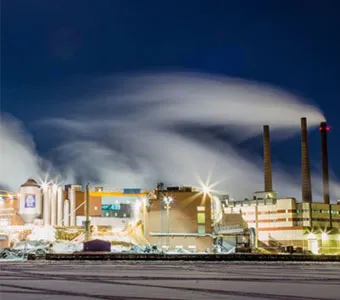
Gulf Coast shipyards and refineries along the Mississippi coast were once a mainstay of the state’s economy and some of the most dangerous workplaces. From Ingalls Shipbuilding in Pascagoula to oil refineries in Biloxi and Gulfport, workers breathed in asbestos fibers when they repaired ships and maintained boilers.
It is important to remember that these dangers do not go away when production ceases. The asbestos these places contain still lurks in the materials workers used years ago.
Power Generation and Manufacturing Across the Delta
Factories and power plants in Jackson, Vicksburg, and Meridian used it in equipment maintenance. Mechanics and engineers were exposed daily while working around turbines, boilers, and other equipment covered with asbestos.
The durability of the mineral made it a mainstay of the industry, but its invisible hazard made it deadly. Many former factory workers in Mississippi are only now learning about illnesses caused by exposure many years ago.
Everyday Exposure in Construction and Public Buildings
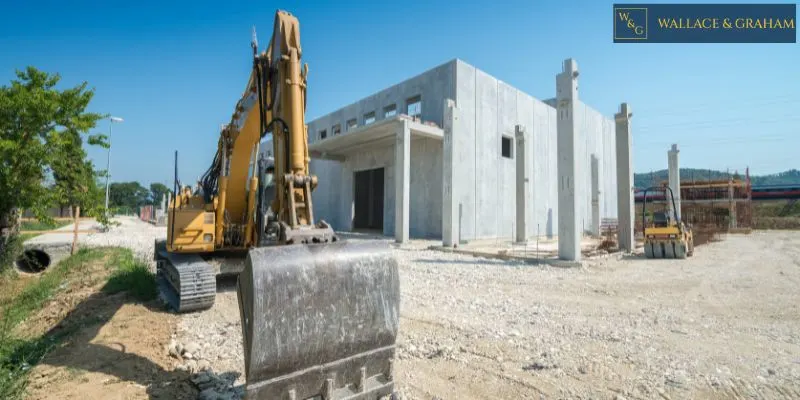
Schools, hospitals, office buildings, and other public buildings in Mississippi also contained asbestos. Ceiling tiles, pipe insulation, and fireproofing compounds were found in almost every pre-1980s public building.
In Jackson, Hattiesburg, Gulfport, and other cities, maintenance and custodial workers were often exposed while working on routine repairs. When these materials become airborne, they can present a long-term health risk to both workers and residents.
Where Asbestos Still Hides in Mississippi
Mississippi still has widespread asbestos presence across its industrial and residential areas, especially in locations that have not yet had complete abatement. Even when the use of asbestos was restricted, the remaining materials still presented a risk to workers performing maintenance, demolition, or remodeling in older buildings. Common areas include:
Power plants along the Mississippi River
Refineries and shipyards along the Gulf Coast
Chemical plants in Vicksburg, Port Gibson
Older homes and schools built before 1990
The Importance of Medical Documentation After Exposure
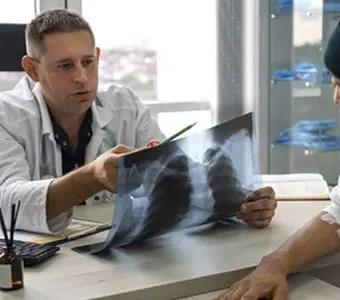
For many Mississippi workers, a confirmed diagnosis based on strong medical records is key to linking the illness to asbestos exposure. Doctors may start with imaging scans to look for signs of lung scarring. Biopsies or pulmonary tests are often used to confirm the presence of asbestos fibers in the body.
Having copies of these medical reports, along with a clear employment history, can make a big difference in these cases. It can be easier for an attorney to prove when and where exposure took place when more accurate records are available, which can help victims recover money for treatment, lost wages, and ongoing care.
FAQs
Where Exactly Did Asbestos Exposure Happen in Mississippi?
Asbestos was common in shipyards, refineries, paper mills, and power plants around Mississippi. Cities like Pascagoula, Gulfport, and Jackson widely used asbestos insulation and machine parts.
Maintenance workers, welders, and construction laborers were often at great risk. The economic development of Mississippi through these industries came at the expense of long-lasting health issues that persist to this day.
Can Exposure Still Occur During Building Renovations?
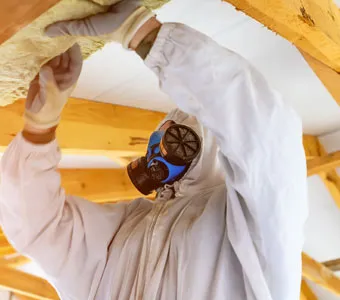
Many older Mississippi buildings, including schools, hospitals, and factories, still have asbestos-containing materials. When renovations or demolitions occur, cutting or drilling can cause fibers to become airborne.
Construction workers, HVAC technicians, and custodial staff are often at renewed risk. Complete testing and abatement procedures should always be conducted before any project begins to prevent accidental exposure.
How Do Lawyers Identify Asbestos Exposure in Old Job Sites?
Attorneys look through employment records, union files, and supplier databases to identify points of exposure. They also interview former coworkers and cross-reference data against known asbestos product manufacturers.
Even after many decades have passed, these investigative tools can help lawyers show how and where a Mississippi worker came into contact with asbestos and who should be held liable.
Why Is Asbestos Still a Concern in Mississippi Today?
Asbestos is banned from new construction projects, but the fibers have a way of sticking around. Older homes and vessels still contain the material, and the insulation can degrade from storm damage or Gulf Coast humidity.
Exposure can occur when fibers are released from damaged material, which is why awareness, testing, and abatement remain vital. This is especially true in industrial cities with aging buildings and high rates of renovation.
Are There Legal Options for Families After a Death From Mesothelioma?
Families can file a wrongful death claim when a loved one dies from an asbestos-related disease. Under Mississippi law, there is typically a three-year statute of limitations from the date of death. An attorney can help examine the decedent’s work history, track down former employers, and file a claim for funeral expenses, loss of income, and the family’s loss.
Contact a Mississippi Asbestos Exposure Lawyer
Asbestos left its mark on Mississippi’s working history, from the docks of Pascagoula to the factory floors of Jackson. The risk may have started decades ago, but the impacts continue to this day.
At Wallace & Graham, P.A., we help families uncover the truth about when and where asbestos exposure occurred, identify those responsible, and pursue accountability with compassion and precision. Hire an asbestos exposure lawyer in Mississippi. Book a consultation today to begin your path toward justice and recovery.
About the author:
William M. Graham
Managing Partner of
Wallace & Graham, P.A.
William M. Graham is the Managing Partner at Wallace & Graham, P.A. in Salisbury, NC, where he focuses on mesothelioma and asbestos exposure cases. With over 30 years of legal experience, he has been admitted to the North Carolina State Bar (1991). Graham earned his J.D. from Antioch School of Law and is recognized for his dedication to clients affected by asbestos-related illnesses. His practice reflects deep expertise and commitment to client advocacy.

 Se Habla Español