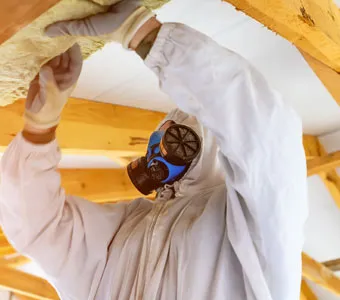
Retirement communities are not always the first places people think of when it comes to asbestos exposure. Many retirement facilities were built before asbestos regulations were in place, which is why asbestos risks in retirement communities should be taken seriously. Old insulation, flooring, ceiling tiles, and pipe coverings may contain toxic materials. Any disturbance of these materials during renovations can release dangerous fibers into the air.
Retirement communities that were built before the 1980s may contain asbestos in areas like ceiling tiles, pipe insulation, flooring, and wall materials. Assisted living communities are commonplace across the country. There are over 32,000 such communities across the United States, representing around 1.2 million residents.
Any actions that disturb these materials, such as renovations or even routine maintenance, can release asbestos into the air, where residents may inhale the microscopic fibers. Seniors are especially vulnerable to asbestos exposure due to their often-weaker immune systems or the presence of existing chronic respiratory issues
Potential Dangers of Asbestos Exposure
Inhaled asbestos fibers can remain in the lungs for decades, slowly causing irreversible damage. The most serious outcome is mesothelioma, a rare form of cancer with around 3,000 new cases diagnosed each year in the U.S. Most patients are diagnosed in their 70s, often long after their exposure occurred.
While many people associate asbestos exposure with industrial spaces, non-workplace environments account for a small but sizable percentage of cases. About 2% of mesothelioma cases stem from environmental sources like building materials, and another 8% are linked to secondhand exposure. For vulnerable populations like retired seniors, any exposure to asbestos is potentially dangerous or even life-threatening.
Symptoms of Asbestos Exposure
The early symptoms of asbestos-related illnesses can be easy to miss. Common symptoms include fatigue, persistent cough, shortness of breath, chest pain, fluid buildup in the lungs, difficulty breathing, and other symptoms.
By the time serious symptoms manifest, the disease is often advanced. This is due to the long latency period of mesothelioma, which can take decades to manifest. The aggressive type of cancer is also comparatively rarer than other lung diseases. Doctors may not be familiar with the symptoms of mesothelioma.
What Should I Do if I Believe a Retirement Community Has Asbestos?
If you suspect asbestos is present in a retirement community, report your concerns to building management immediately. There are state and federal laws that require property owners to take measures to abate the risk of exposure for residents and visitors.
These could include removing the dangerous materials in question or taking steps to prevent the spread of asbestos during renovations. Residents and their families can also request documentation showing the building’s asbestos inspection or abatement history.
If the property owner fails to take action or withholds safety information, contacting your state’s environmental protection agency may help prompt a formal response. If management refuses to address the issue, residents may also consider taking legal action.
Civil claims related to asbestos exposure can help injured victims recover compensation for medical costs, health monitoring, or even the cost of relocating to a safer retirement home. An attorney with experience representing clients in asbestos claims can describe your options.
FAQs
Q: How Can Seniors Be Exposed to Asbestos in Retirement Communities?
A: Seniors can be exposed to asbestos in retirement communities if older buildings contain materials like ceiling tiles, pipe insulation, or floor tiles made with asbestos. Damage during repairs, renovations, or natural wear can release harmful fibers into the air. Inhaling these fibers increases the risk of mesothelioma and other lung conditions. Residents can ask about the asbestos history before moving into older buildings.
Q: Are Older Buildings in Retirement Communities at Risk for Asbestos?
A: Older buildings in retirement communities may contain asbestos if they were built before modern regulations took effect. Materials used in ceilings, walls, insulation, and flooring may still be present. As long as the materials are undisturbed, they pose minimal risk. However, renovations, leaks, or structural damage can release asbestos fibers. Residents can confirm inspection and abatement history before signing a lease.
Q: What Should Residents Do if Asbestos Is Discovered in Their Unit?
A: If asbestos is discovered in a residential unit, seniors should avoid disturbing the material and report it to management immediately. Certified professionals must handle all testing and removal. Residents should never attempt to clean or repair the area themselves. Until the material is assessed, avoid nearby areas and limit airflow. Request written confirmation of abatement procedures before returning to the space.
Q: Can Secondhand Asbestos Exposure Affect Seniors in Shared Living Spaces?
A: Secondhand asbestos exposure can affect seniors if fibers are carried into shared spaces on clothing, shoes, or equipment. This risk is higher during maintenance work, remodeling, or staff handling contaminated materials. In shared housing, one disturbed area can expose nearby residents. Seniors can ask about safety policies and request clear communication when work is being done near their living area.
Q: How Can Seniors Be Exposed to Asbestos in Retirement Communities?
A: Seniors can be exposed to asbestos in retirement communities if older buildings contain materials like ceiling tiles, pipe insulation, or floor tiles made with asbestos. Damage during repairs, renovations, or natural wear can release harmful fibers into the air. Inhaling these fibers increases the risk of mesothelioma and other lung conditions. Residents can ask about asbestos history before moving into older buildings to minimize their risk of exposure.
Exposed to Asbestos in a Retirement Community? Contact Wallace & Graham, P.A. Today
Many retirement communities were built decades ago, during a time when asbestos was widely used in insulation, flooring, and ceiling materials. When these materials are disturbed during renovations or repairs, seniors living in these facilities can unknowingly be exposed. For older adults, the health risks from asbestos exposure are especially serious.
At Wallace & Graham, P.A., we represent individuals and families affected by asbestos-related illnesses in residential settings, including senior living communities. If you or a loved one develops health problems linked to asbestos, we are here to help. Contact Wallace & Graham, P.A. today to schedule your consultation.
About the author:
William M. Graham
Managing Partner of
Wallace & Graham, P.A.
William M. Graham is the Managing Partner at Wallace & Graham, P.A. in Salisbury, NC, where he focuses on mesothelioma and asbestos exposure cases. With over 30 years of legal experience, he has been admitted to the North Carolina State Bar (1991). Graham earned his J.D. from Antioch School of Law and is recognized for his dedication to clients affected by asbestos-related illnesses. His practice reflects deep expertise and commitment to client advocacy.

 Se Habla Español