
 Se Habla Español
 West Virginia Mesothelioma Lawyer
Mesothelioma Attorney in West Virginia
A West Virginia mesothelioma lawyer can assist victims and families with pursuing accountability for asbestos exposure related to the Mountain State’s extensive industrial and energy legacy. Since mesothelioma may not be diagnosed until many years after exposure, families are sometimes given little time to discover how a loved one was exposed or who might be accountable.
Common sources of exposure in West Virginia include coal-fired power generation, chemical production, heavy industry, and construction. Claims may require an investigation into work practices from many years ago and asbestos products that were used on the job.
Hire a Mesothelioma Lawyer
Wallace & Graham, P.A., practices mesothelioma and asbestos law throughout the United States. Our lawyers have nearly 40 years of combined experience handling cases that require in-depth exposure investigations, locating asbestos-containing products, and developing evidence in situations where complicated industrial exposures have occurred.
We handle cases involving persons injured or killed by exposure to toxic chemicals. Every case is handled with detailed attention to the medical issues, exposure, and applicable law in asbestos litigation.
Asbestos Exposure Linked to West Virginia’s Energy and Chemical Industries
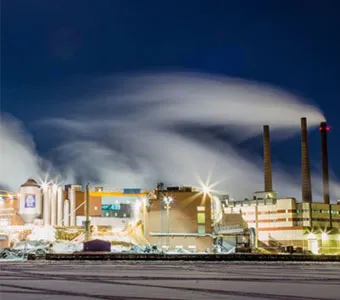
West Virginia’s economy has been based on energy production and chemical manufacturing, two industries that traditionally used asbestos in the past. Power plants, chemical plants, and manufacturing facilities have used asbestos throughout normal operations. Asbestos was used as insulation on pipes, as well as fireproofing material and heat-resistant materials.
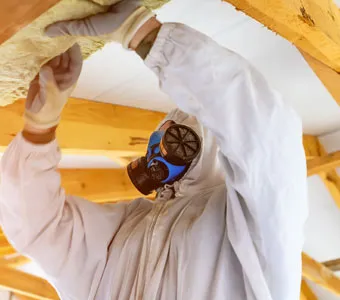
Employees are typically exposed to asbestos while working on maintenance, repair, or replacement of equipment. Boiler operators, turbine workers, pipe fitters, and operators of heavy machinery were at risk of exposure for many years. Employees were typically exposed to asbestos on multiple occasions and were not properly informed of the health hazards or instructed on how to protect themselves.
Asbestos Risks in Coal-Fired Power Generation and Plant Maintenance
Asbestos exposure at coal-fired power plants was significant and often occurred outside of mining operations, even though West Virginia is largely known for coal mining. Boilers, turbines, insulation systems, and electrical systems at generating stations commonly contained asbestos. Workers who conducted shutdown maintenance, retrofits, or emergency repairs were exposed to high concentrations when asbestos-containing materials were disturbed.
Although these operations occurred intermittently, they repeated consistently over many years, resulting in cumulative asbestos exposure. Workers were frequently positioned near high-heat equipment, and aging facilities increased the likelihood that asbestos-containing materials remained in place, contributing to prolonged and repeated exposure risks.
How Mesothelioma Develops After Long-Term Exposure
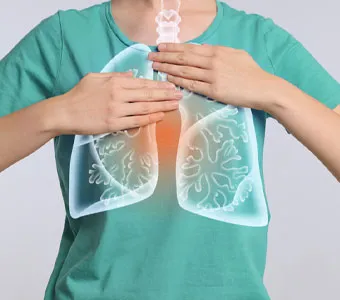
Mesothelioma occurs following inhalation or ingestion of asbestos fibers that lodge in the lung or abdominal lining. Medical studies indicate that symptoms of mesothelioma usually do not occur for many years, even decades, after exposure. Per the CDC, 2,669 new cases of mesothelioma were reported in the United States in 2022 alone.
Even with treatment, the prognosis for mesothelioma is poor, with a median survival of 12 to 18 months after diagnosis. Worldwide, occupational asbestos exposure is estimated to cause more than 200,000 deaths annually.
Chemical Manufacturing and Asbestos Use in the Kanawha Valley
Chemical manufacturing has been a mainstay industry of the Kanawha Valley. Historically, asbestos insulation was used in chemical plants for corrosion resistance and fire protection. Asbestos-containing insulation may have been present on reactors and piping systems, storage vessels, and equipment used for processing raw materials.
Those who worked in plant operations, maintenance, or plant shutdowns may have been exposed to asbestos while working on or replacing equipment. Exposure could have been experienced over an extended period of time. Asbestos insulation used on piping, valves, or boilers may have remained intact in older plants for many years.
How West Virginia Law Governs Asbestos Injury Claims
West Virginia doesn’t have asbestos-specific statutes of limitations. Asbestos litigation in West Virginia is primarily based on the state’s personal injury laws and wrongful death statutes. W. Va. Code § 55-2-12(b) generally allows for two years to file a personal injury claim from the date the injury is discovered.
Asbestos-related injuries such as mesothelioma have been known to go undiagnosed for decades, which can affect the relevant statute of limitations. West Virginia has a two-year statute of limitations on wrongful death claims in W. Va. Code § 55-7-6(d). West Virginia courts tend to focus on the time of diagnosis and medical causation in mesothelioma claims due to the long latency period.
The Role of Medical Professionals in West Virginia Mesothelioma Cases
Professional testimony is an integral component of West Virginia mesothelioma cases. Medical professionals may be called upon to provide clarity on how asbestos fibers lead to mesothelioma development, many years after exposure. They may also help determine that the disease is mesothelioma as opposed to another pulmonary condition.
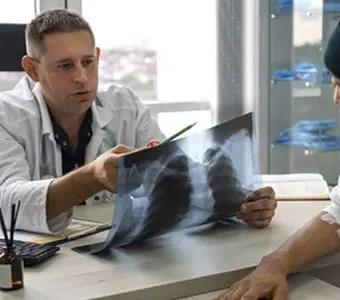
Establishing causation can require doctors to review pathology results, imaging studies, and work history to help make the connection between the diagnosis and asbestos exposure. In contested claims, medical professionals may educate the court and jury on latency periods and disease progression, as well as offer a prognosis.
Professional witness testimony can be determinative on the issue if the medical issues are not clearly explained with objective evidence supporting the opinion.
Tracing Exposure at Defunct or Privatized Industrial Facilities
In many West Virginia mesothelioma cases, the exposure occurred at a now-closed or dramatically downsized industrial facility years before diagnosis. Large industrial sites like Weirton Steel in Weirton employed thousands of workers for decades and used large quantities of asbestos-containing materials in furnaces, pipes, and insulation.
When these facilities closed or were sold, complete employment and maintenance records were often lost or nonexistent. Determining exposure often requires piecing it together through workers’ job histories, industry knowledge, and proof of what asbestos-containing products were in use at the facility.
Why Mesothelioma Litigation Requires a Different Approach Than Coal Injury Claims?
Mesothelioma cases present a unique set of legal challenges in West Virginia. Unlike typical coal-based injury claims, these involve prolonged exposure, latency periods before symptoms arise, and frequently, multiple potential defendants.
Focusing less on a singular incident, these claims are more often made against product manufacturers and suppliers, rather than employers. In these cases, the historical research is significant, and medical causation is often at issue. These critical differences require asbestos-related claims to be based on a litigation strategy centered on medical records, product history, and exposure reconstruction.
FAQs About Mesothelioma in West Virginia
Are Depositions Typically Preserved Early in West Virginia Mesothelioma Cases?
In many mesothelioma cases, testimony is preserved at an early stage in litigation due to the severity of the illness. In West Virginia courts, depositions may be taken on an expedited basis so that the injured person’s description of work history and exposure can be put on record. The purpose of preserving testimony is to make sure that evidence is not lost if the individual’s health declines during litigation.
Can Multiple Family Members Bring Separate Claims From the Same Asbestos Exposure?
In certain cases, there can be more than one family member who has a legal claim arising out of exposure to the same asbestos. For instance, one family member may have a claim based on occupational exposure, and another may have a claim based on secondary or household exposure.
Each claim is analyzed separately on its own medical evidence and facts regarding the exposure. Asbestos exposure claims from a single worksite or source can remain separate legal actions.
Does a Mesothelioma Diagnosis Automatically Qualify Someone for Legal Action in West Virginia?
Simply having mesothelioma does not give rise to a legal claim. To establish a valid claim in West Virginia mesothelioma cases, there must be evidence proving an association between the disease and asbestos exposure from specified products and workplaces or companies.
While medical records confirm disease diagnosis, they must be paired with employment history and exposure information to determine legal liability. Legal eligibility hinges on factual evidence that demonstrates a clear connection between asbestos exposure and the medical diagnosis.
Can Mesothelioma Claims in West Virginia Be Filed on Behalf of an Estate?
If a person diagnosed with mesothelioma dies before or during litigation, certain claims may continue through the estate or surviving family members. A survival action may address losses incurred before death, including medical expenses and pain and suffering.
A separate wrongful death action may seek recovery for losses suffered by family members after death, such as loss of financial support or companionship. These claims are subject to distinct statutes and procedural requirements under West Virginia law.
Contact a West Virginia Mesothelioma Lawyer
West Virginia mesothelioma claims involve complicated medical evidence, long-term exposure histories, and industries that used asbestos heavily many years ago. These cases demand a thorough investigation of work practices from decades past, exposure to specific products, and seeking companies that may be responsible, even if the facilities are closed or have new ownership.
Wallace & Graham, P.A., has tailored its practice to asbestos litigation. Our team advocates on behalf of individuals and families who have fallen ill due to toxic exposure. We work to build your case from square one, developing medical proof, determining your exposure, and applying the relevant laws of West Virginia.
If you or a loved one has been diagnosed with mesothelioma, educating yourself on your legal options is an ideal place to start. Hire a mesothelioma lawyer to learn more. Book a consultation today.

Get Help Today
Fields marked with an * are required
SERVING
LOCATIONS
NATIONWIDE
contact us
© 2026 by Wallace & Graham, P.A. All rights reserved.
Digital Marketing By 