|
|
Last
Modified on
Feb 23, 2026
Knowing the top industries at risk for asbestos exposure is important, as new cases of asbestos-related disease are still being diagnosed years and even decades after first coming in contact with asbestos.
Although asbestos use has been restricted over time, it can still be found in buildings, equipment, and other structures that were built before regulatory changes limited its use. Certain industries have a higher risk to workers when asbestos-containing materials are disturbed or damaged during construction, maintenance, repair, or demolition work. Identifying these industries helps explain where exposure most commonly occurred and why related claims continue to arise today.
Construction and Renovation Work in Older Buildings
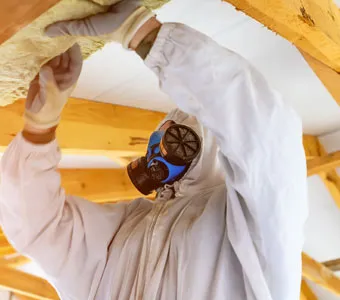
Construction workers continue to be at high risk for asbestos exposure since asbestos was used so commonly in construction throughout the twentieth century. Asbestos exposure can occur during the repair, renovation, or demolition of older buildings when asbestos-containing materials are disturbed. Workers may inhale airborne fibers during cutting, sanding, or removal, even decades after asbestos use declined. Exposure often results from contact with:
- Insulation around pipes, ducts, and boilers
- Floor and ceiling tiles and adhesives
- Roofing and siding materials
- Fireproofing sprays and wall compounds
Shipyards, Maritime Trades, and Naval Facilities
Asbestos was also widely used in shipbuilding and in the operation of ships. Shipyard and navy base workers could be exposed to asbestos during shipbuilding and over the years of repair and maintenance of ships. Exposure frequently occurred through:
- Boiler, turbine, and steam pipe insulation
- Engine room accessories
- Gaskets, valves, and packing
- Electrical wiring and fireproofing material
Asbestos continues to be a hazard in ship repair and retrofit work, especially when dealing with older ships and asbestos is removed or disturbed.
Manufacturing, Power Generation, and Industrial Facilities
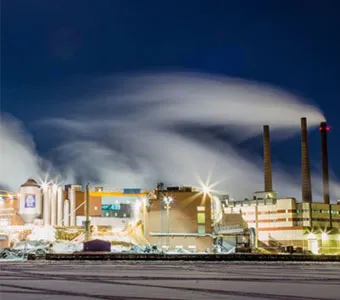
Asbestos was commonly used in industrial workplaces to insulate equipment that operated at high temperatures or was at risk of fire. Factories and other industrial sites that predate asbestos regulations may still have asbestos in equipment and structures. Employees who perform maintenance, repair, or other operations that disturb legacy asbestos materials may be exposed. Common exposure sources include:
- Kilns, furnaces, and other industrial ovens
- Generator and turbine insulation
- Protective gloves, blankets, and insulation boards
- Chemical processing equipment and pipes
Automotive, Transportation, and Mechanical Repair Trades
Automotive and mechanical workers have been exposed to asbestos in parts that were designed to resist friction and heat. Although many asbestos parts have been discontinued, older equipment may still be a source of exposure. Examples of products known to contain asbestos include:
- Brake pads and brake linings
- Clutches and transmission components
- Gaskets and heat shields
- Heavy equipment and railcar parts
Activities such as grinding, cutting, or replacing worn parts can create dust and release fibers into the air, which can put mechanics and transportation workers at risk during regular repair work.
FAQs
How Is Asbestos Exposure Typically Identified Years Later?
Years after asbestos exposure has occurred, individuals may learn they were exposed through a diagnosis from their doctor and through employment and historical research. Someone may not realize they were being exposed to asbestos while on the job because fibers were microscopic and routine decades ago.
Discovering you were exposed may include learning about your job duties, work locations, and the presence of asbestos products, versus one incident being documented. Globally, over 200,000 deaths are due to occupational asbestos exposure.
What Federal Standards Regulate Asbestos Exposure Today?
Occupational asbestos exposure is regulated by federal safety standards. The Occupational Safety and Health Administration has established allowable exposure levels of 0.1 asbestos fibers per cubic centimeter of air measured as a time-weighted average over an eight-hour period, with additional limits applying to short-term exposure.
OSHA standards mostly pertain to current disturbance or handling of materials known to contain asbestos, and do not provide regulations for asbestos exposure in the past.
Does Asbestos Exposure Always Lead to Illness?
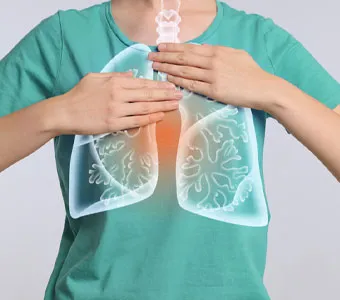
Exposure to asbestos does not necessarily mean that a person can develop an asbestos-related disease. Length of exposure and the type, intensity, and susceptibility all play a role in whether someone develops the disease or not. Some people have had only brief or low-level exposure and remain symptom-free. Others have developed life-threatening diseases even after decades of exposure.
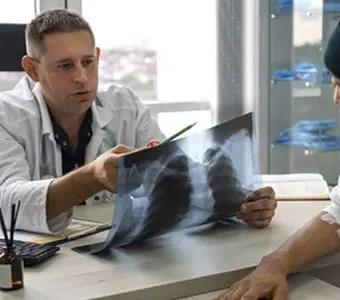
Doctors usually require medical evidence to prove that asbestos exposure played any role in the diagnosed condition.
How Many Deaths Are Still Attributed to Mesothelioma Each Year?
While treatment options for mesothelioma have improved, many who are diagnosed may still die of the disease. The Centers for Disease Control and Prevention (CDC) estimates that there were 2,669 mesothelioma cases in the United States in 2022. This number reflects the long latency period between exposure to asbestos and the development of disease. It also helps explain the ongoing litigation against asbestos, years after many products were discontinued.
Hire an Asbestos Exposure Lawyer
Wallace & Graham, P.A. has years of experience representing the victims of asbestos exposure from all types of industries and trades. We have investigated thousands of asbestos cases involving workplace conditions and exposures that may have occurred decades ago.
We have conducted research to discover all the asbestos-containing products to which our clients may have been exposed and determined how and where they were exposed on various job sites and in various trades. By combining legal experience with detailed factual research, our knowledgeable legal team develops claims grounded in medical evidence, occupational records, and established industry practices related to asbestos use.
Workers from all types of industries have been exposed to asbestos. The devastating health problems caused by asbestos exposure often do not appear until many years after the initial exposure. Knowing how and where people were exposed to asbestos during their employment can help us understand why there are still mesothelioma claims being filed today.
Wallace & Graham, P.A. has handled asbestos litigation for decades and has seen just about every occupation and work environment. We take the time to investigate the historical operations of the industry involved, determine what asbestos-containing products would have been present at the worksite, and build a claim based on medical treatment/research and occupational asbestos exposure.
To get started building your claim, hire an asbestos exposure lawyer you can trust. Schedule a consultation with our firm today.

 Se Habla Español