|
|
Last
Modified on
Feb 23, 2026
Mesothelioma cases are often decided on evidence that reaches back decades, spans multiple job sites, and involves complex medical and industrial issues. The role of expert witnesses in mesothelioma cases is to clarify scientific and technical evidence so the facts are presented to the court in a clear, credible way. Their testimony may explain how asbestos causes disease or trace an individual’s work history across an entire career to establish liability and causation.
Types of Expert Witnesses and Their Roles
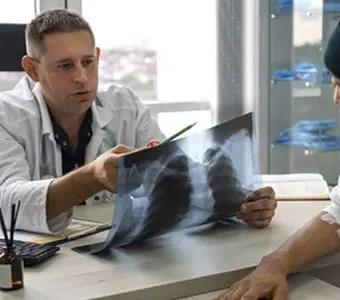
Mesothelioma lawyers use many types of experts to present evidence in a way that the court can understand. Medical experts review medical records, biopsy results, and imaging studies, and explain how asbestos fibers cause disease. Industrial hygienists reconstruct workplace environments, identify asbestos products, and associate them with the jobsite.
Occupational historians document decades of work and job tasks at multiple employers or work locations. Experts assist in making sense of complex facts that jurors would not otherwise know, and they lay the foundation for causation and liability. When expert testimony is clear, a good case can be distinguished from one that doesn’t meet the burden of proof.
Proving Causation Through Expert Testimony
One of the most important duties of an expert in a mesothelioma case is to establish a connection between asbestos and the disease. Scientific and epidemiological data have established asbestos fibers as the main cause of mesothelioma, which can occur 20-40 years or more after exposure.
Experts explain latency periods and fiber types, as well as how asbestos creates inflammation and cancerous alterations in pleural tissue. Reliable expert testimony frames the disease process in medically accurate language and connects technical science to legal standards of proof so causation is easily understood and legally compelling to judges and juries.
Reconstructing Exposure Histories and Evidence
Mesothelioma cases depend on evidence from years or even decades ago. This often requires a careful reconstruction of past events, which can be supported by documentation and expert testimony.
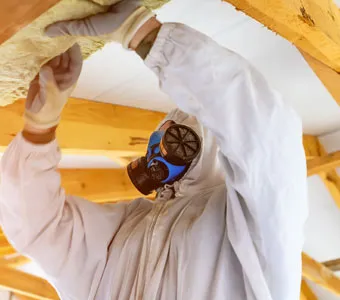
Experts may examine employment and union records, product catalogs, military service records, and industry safety standards. They may be able to help determine when and where exposure occurred, and which specific products were involved. Proper reconstruction can help support both liability and causation in court. Reconstruction can include:
- Identifying which products contained asbestos, such as insulation, gaskets, and brake linings
- Linking work activities to potential exposure
- Ruling out other causes that are inconsistent with mesothelioma science
Legal Standards and Statute Impact on Expert Evidence
In federal courts, expert witness testimony is controlled by Federal Rule of Evidence 702. Rule 702 requires judges to make pre-trial evidentiary determinations as to the reliability and helpfulness to the trier of fact of an expert’s opinion. Rule 702 judges serve as gatekeepers by evaluating expert witness methodology and relevance.
Furthermore, many states have enacted procedural statutes that impact asbestos litigation. For example, some states require prima facie evidence of asbestos-related impairment before a claim can even be placed on the active trial docket. It is for these reasons that well-qualified, scientifically based experts are crucial to presenting admissible and compelling evidence in mesothelioma cases.
FAQs
How Common Is Mesothelioma in the United States?
Mesothelioma is a rare form of cancer in the United States. The CDC estimates only about 2,669 people across the country received a diagnosis of mesothelioma in 2022. Jurors and judges likely have little direct knowledge of the disease. That’s where expert witnesses can assist. Experts can testify to how mesothelioma develops, how it is diagnosed, and how it is different from more common forms of cancer.
What Type of Mesothelioma Is Diagnosed Most Often?
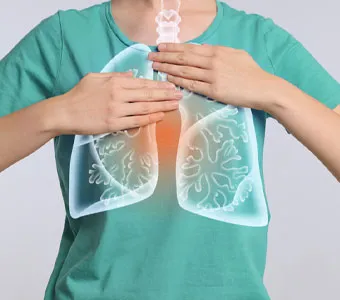
Epidemiological research estimates that 80% of all mesothelioma is pleural mesothelioma. Pleural mesothelioma occurs in the lining of the lungs. In occupational or industrial settings, pleural mesothelioma most commonly results from the inhalation of asbestos fibers.
Symptoms of pleural mesothelioma are similar to those of other respiratory diseases. An expert witness may be necessary to educate a jury on the symptoms of pleural mesothelioma and how the disease is distinguished from other diseases of the lungs.
Do All Mesothelioma Cases Require the Same Number of Expert Witnesses?
No two mesothelioma cases require the same team of experts. The number and type of experts needed for each case vary based on many factors, including the individual’s work history and the number of potential sources of exposure, among others.
Cases also vary in whether they involve living plaintiffs or wrongful death claims. Some cases involve only a small group of experts. Others may involve testimony related to medical issues, industrial practices, and product identification for multiple time periods.
How Are Conflicting Expert Opinions Handled During Litigation?
It is typical in legal disputes for opposing parties to present expert witnesses with divergent conclusions. Courts assess the admissibility and weight of expert opinions based on the expert’s qualifications, the reliability of their methods, and whether their testimony is grounded in accepted scientific or technical principles. Judges can limit or exclude opinions that do not meet legal standards, ensuring that only reliable expert evidence is presented to the jury.
Hire a Mesothelioma Lawyer
Wallace & Graham, P.A. has been fighting for asbestos victims for decades. We understand the unique challenges in asbestos litigation, such as identifying the defendants and exposures, and presenting a cohesive, credible, and understandable case supported by fact-driven expert testimony. Mesothelioma and other asbestos claims often require a thorough and detailed investigation to trace the responsible parties and the victim’s exposure history.
Our skilled attorneys work with qualified and experienced medical and occupational experts to create strong, fact-driven cases that can meet the exacting legal and scientific demands of these claims.
Mesothelioma cases require meticulous investigation, believable proof, and a knowledgeable presentation. Wallace & Graham, P.A.’s years of experience with asbestos cases and working with qualified experts to craft fact-based claims have taught us how to present complex issues in ways that are easy to understand, while aggressively seeking justice for victims of asbestos exposure. Schedule a consultation with our team and hire a mesothelioma lawyer today.

 Se Habla Español