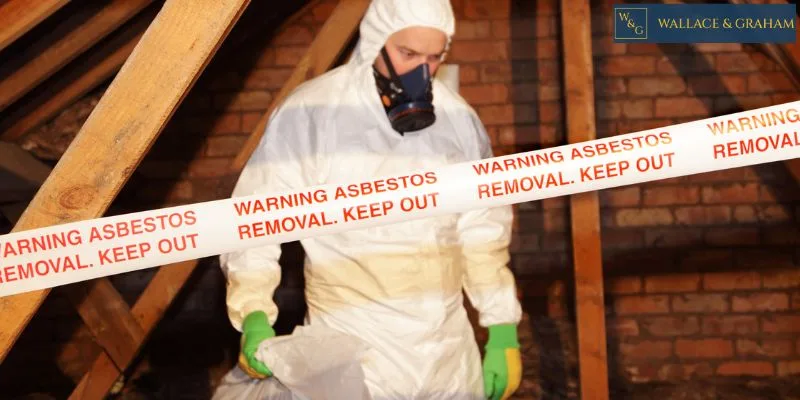
For decades in Tennessee’s industrial past, asbestos was considered a necessity for building, insulating, and fueling the state’s largest industries. Workers soon discovered, however, that while asbestos seemed to protect them from heat and fire, it also silently destroyed their lungs. Documenting Tennessee asbestos exposure job sites is critical to help families understand where and when the illnesses began in order to hold those responsible accountable and seek justice.
Asbestos was used in Tennessee from shipyards along the Mississippi River to paper mills, power plants, and midcentury construction sites. The legacy of that use is still seen in the form of mesothelioma and other asbestos-related diseases in Tennessee residents, with many cases being reported long after asbestos-containing materials were banned.
The founding attorneys from Wallace & Graham, P.A., Mona Lisa Wallace and Bill Graham, have been researching asbestos exposure at job sites all over the U.S. for nearly 40 years. Their work has assisted thousands of families in connecting the dots between old workplaces, corporate misconduct, and current mesothelioma and asbestos-related illness diagnoses.
Workers in Tennessee power plants, shipyards, schools, and manufacturing facilities were never informed about the dangerous asbestos dust present during demolition or renovation projects, and we’re here to help.
Shipyards and Maritime Work
While Tennessee is landlocked, its industries along the Mississippi River were no more protected than shipyards on the coasts. Barge repair facilities in Memphis and Chattanooga, for example, used asbestos for insulation, pipe coverings, and machinery repairs.
Welders, pipefitters, and deckhands often worked in enclosed, unventilated spaces where asbestos fibers accumulated in the air. Shipyard and barge repair workers also remain at risk years after their initial exposure, since asbestos can remain attached to ships long after its use is banned.
Power Plants and Industrial Facilities
Operating power plants around the state, from the Johnsonville Fossil Plant to Watts Bar, workers had to routinely deal with turbines, boilers, and wiring insulated with asbestos.
Electricians, mechanics, and engineers working on these machines were often provided with little, if any, protective equipment and received no warning labels to alert them of the hazard.
Facilities across Tennessee continue to be some of the state’s most notorious job sites for asbestos exposure, as old insulation and equipment still lingers in places and can be disturbed during power plant upgrades and repairs.
Construction and Building Trades
The growth of Tennessee’s cities and towns only increased the use of asbestos-containing materials. Roofers in Nashville, Knoxville, and Chattanooga worked on roofing tiles, joint compounds, and floor adhesives containing asbestos fibers. Carpenters and drywall installers would often sand or drill these materials without any idea of the danger they were in.
Contractors performing renovations or updates to older downtown buildings still put themselves at risk of asbestos exposure if original insulation or ceiling tiles are disturbed. Tennessee may not have the building boom of its history, but the aftermath is present in the threat of asbestos exposure.
Schools, Hospitals, and Public Buildings
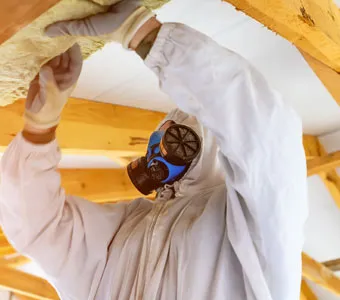
Asbestos was not only confined to factories and job sites; it was also used in public buildings and infrastructure. Many schools, courthouses, and hospitals built before the 1990s still have asbestos in their walls, ceilings, and HVAC systems.
In Shelby County, Davidson County, and Knox County, abatement projects continue to take place, removing asbestos from these older buildings. Custodians, teachers, and maintenance crews are most at risk when these materials are disturbed during regular maintenance or remodeling.
FAQs
How Many Asbestos-Related Cases Are Reported Each Year in the U.S.?
According to 2022 statistics from the Centers for Disease Control and Prevention, there were about 2,669 new cases of mesothelioma diagnosed in the United States. In Tennessee, the number of mesothelioma cases diagnosed each year has remained relatively stable, a reflection of the state’s wider manufacturing and power production industries.
What Types of Job Sites in Tennessee Have Historically Used Asbestos?
Paper mills, power plants, shipyards, and construction projects were among the many industries that used asbestos throughout most of the 20th century. Plants in Memphis, Nashville, and Kingsport used it to insulate and repair industrial equipment.
At the same time, asbestos-containing tiles, sealants, and drywall were being installed in homes and public buildings by builders all across the state. Tennessee residents and generations of workers have paid a price for this widespread exposure.
How Can I Find Out if My Former Tennessee Workplace Used Asbestos?
Employees should first confirm where they worked by reviewing employment records, union membership logs, or old pay stubs. Lawyers can use these clues to cross-reference known asbestos exposure sites. In addition, Tennessee’s environmental and health departments keep public records of past remediation projects.
When you hire an asbestos exposure lawyer, they can access proprietary archives and professional records to help determine when and where the exposure took place and seek justice.
What Should I Do if I Worked at a Tennessee Asbestos Exposure Job Site?
If you think you were exposed, write down everything you can remember about your job, where and when you worked, your job titles, and the types of products or materials you used. Try to reconnect with former coworkers who may be able to corroborate your story.
After you have done what you can to refresh your memory, call an attorney with experience handling Tennessee asbestos exposure cases. Your lawyer can investigate and help you file a claim.
Contact a Tennessee Asbestos Exposure Lawyer
The risks associated with asbestos exposure continued even after workers left their job sites. From the factories of Memphis to the power plants near Knoxville, workers are paying the price for materials that were once thought to be safe. Every job site we document is another opportunity to hold negligent companies accountable.
William M. Graham is the Managing Partner at Wallace & Graham, P.A. in Salisbury, NC, where he focuses on mesothelioma and asbestos exposure cases. With over 30 years of legal experience, he has been admitted to the North Carolina State Bar (1991). Graham earned his J.D. from Antioch School of Law and is recognized for his dedication to clients affected by asbestos-related illnesses. His practice reflects deep expertise and commitment to client advocacy.

 Se Habla Español