Although asbestos is less common in current-day products, it can still be found contaminating certain items. Additionally, many old products that contain or are contaminated with asbestos can be found in circulation, particularly in old construction materials. Like many consumers, you may want to know how to identify asbestos in everyday products we use. It is also important to know what products are more likely to contain asbestos.
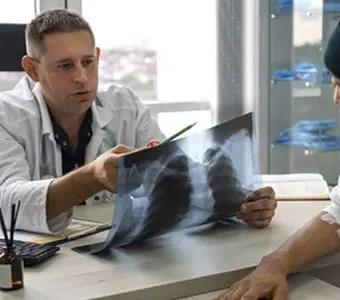
Asbestos exposure can result in a higher risk of many dangerous illnesses, including respiratory illnesses, mesothelioma, and non-mesothelioma lung cancer. Severe and/or long-term exposure increases the likelihood of developing diseases, but any level of exposure is considered dangerous.
Professional testing is one way to identify asbestos. When you purchase products, it is wise to read labels, contact the manufacturer, and research to avoid asbestos-contaminated products. Different governmental agencies, such as the U.S. Food and Drug Administration, may regulate certain items, such as cosmetics, and provide warnings of asbestos in products.
Unfortunately, you cannot identify asbestos just by looking at a product. Trying to look closely at these products could place you in danger of asbestos exposure. If asbestos particles are contained in a solid material, exposure risk is low. The danger occurs when asbestos is in a particulate form, or the solid material is broken and damaged.
Asbestos exposure is more likely when asbestos fibers are inhaled or ingested. If you suspect that a material or product contains asbestos, it is important to not do anything that would release fibers into the air. The most effective way to identify asbestos is professional sampling and testing, so it is ideal to allow professionals to gather and test the materials safely.
Industrial, Commercial, and Other Worksite Asbestos Products
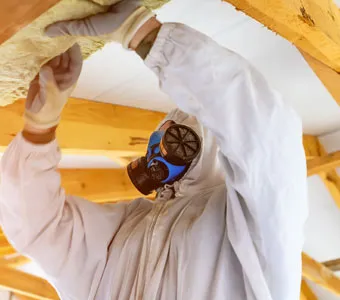
Employees are at the highest risk of asbestos exposure, as some industries have a high concentration of asbestos exposure that employees face daily. Construction workers, dry dock workers, automotive employees, chlor-alkali industry employees, demolition crews, renovators, and HVAC workers are some of the most commonly at-risk employees. Asbestos may be found in some of the following commercial products:
Automotive parts, including brake pads, brake liners, clutch plates, gaskets, valves, and hood liners
Tiling, including both floor and ceiling tiles, as well as the adhesive used to lay them
Cement, which was often strengthened with asbestos and can release asbestos fibers when weathered
Textiles, particularly those that are made to be heat-resistant, such as welding blankets and gloves, along with firefighter uniforms or rope
Diaphragms used in chlorine chemical production
Electrical products, including wiring, wire insulation, breakers, panel arc chutes, panels, insulating cloth, and other components
Asbestos can be found in many other products used in construction sites and buildings, including adhesives, coatings, paints, felt, packaging, insulation, plastics, fireproofing, duct connectors, elevator components, and vinyl products.
In addition to these employees being at high risk, their family members and others they live with can also be exposed to asbestos fibers.
Consumer and Household Asbestos Products
Although at a much lower risk than employees, individuals can be exposed to asbestos in several consumer products as well as homes and buildings that are old construction. Some common at-home products that have been made with or contaminated with asbestos include:
The dangers are more significant for those who complete DIY renovations, whether they installed materials before the 1990s or are currently breaking down old materials in homes without the proper testing or training to handle asbestos. Asbestos is less common in building materials and homes made after the 1980s in the U.S., but it could still be present.
FAQs
Q: What Common Products Contain Asbestos?
A: There are many common products that contain asbestos, such as industrial work equipment, consumer products, and old construction materials. At-risk industries include the chlor-alkali industry, mining, construction and renovation, demolition, oil industry, automotive industry, and chemical production factories. Employees are typically at a much higher risk due to repeated exposure.
Consumers can also be at risk from products such as makeup, body powder, baby powder, and other cosmetics. Asbestos is also a risk in old construction, which may use asbestos materials and products in insulation, packing, pipes and plumbing, floor tiles, ceiling tiles, and roofing.
Q: What Is the Most Commonly Found Asbestos?
A: The most commonly used and found type of asbestos is chrysotile asbestos or white asbestos. This is also the only type imported and used in the U.S., which is impacted by the March 2024 ban. All types of asbestos, regardless of type, pose a danger to individuals. Chrysotile asbestos can be found in roofing, vinyl tiles, insulation, brake pads and linings, adhesives and seals, fireproofing, drywall, cement, and gaskets.
Q: What Is the Most Common Reason for Asbestos Use in Building Products?
A: Asbestos was commonly used in building products for several reasons, including:
Abundantly found in naturally occurring mines
Cheap to use
Strengthen materials
Fibrous and able to be used with cloth
Fireproofing and chemical resistance
Heat and sound insulation
Water resistance
Electricity resistance
Manufacturers, corporations, and employers were often fully aware of the health hazards of asbestos, but they continued to use the material anyway. This gross negligence or intentional misconduct means that these parties may be liable for illnesses that individuals developed due to exposure to their products.
Q: How Do You Test If Something Is Asbestos?
A: To test if something contains or is contaminated with asbestos, you should contact a lab that is licensed for asbestos testing. There is no way to tell simply by looking at a product if it contains asbestos. You may be able to determine if a product contains asbestos through the product label or information from the manufacturer. If you are planning to renovate your home, or if building materials in your home are damaged, you should have your home inspected by a professional.
Navigating Asbestos Exposure With Skilled Legal Counsel
If you suspect that you were exposed to asbestos and have been diagnosed with an asbestos-related illness, you may be able to file a claim against a negligent party. Contact Wallace & Graham, P.A., today to learn how we can help you investigate and file your claim.
About the author:
William M. Graham
Managing Partner of
Wallace & Graham, P.A.
William M. Graham is the Managing Partner at Wallace & Graham, P.A. in Salisbury, NC, where he focuses on mesothelioma and asbestos exposure cases. With over 30 years of legal experience, he has been admitted to the North Carolina State Bar (1991). Graham earned his J.D. from Antioch School of Law and is recognized for his dedication to clients affected by asbestos-related illnesses. His practice reflects deep expertise and commitment to client advocacy.

 Se Habla Español