Arkansas industrial asbestos history is closely connected to the state’s manufacturing, power generation, and paper production industries. Asbestos use in industrial facilities was quite common in Arkansas for most of the twentieth century. This was largely because asbestos resists heat and functions as an effective insulating material.
While most asbestos-containing products are now restricted or phased out, the legacy of past industrial use still matters today. Workers may have been exposed decades before symptoms appeared.
A key part of asbestos litigation is often the arduous task of recreating historical industrial methods, how products were used, and the path goods took from manufacturer to consumer. This level of investigation requires focused experience and long-term familiarity with asbestos cases. Wallace & Graham, P.A., focuses on the most serious mesothelioma and toxic exposure cases.
Our firm’s asbestos litigation has been nationally recognized, most recently with the 2020 Trial Lawyer of the Year award. In addition to strategic legal acumen, we can also assist in coordinating access to experienced national medical professionals as needed when evaluating complex asbestos-related diagnoses.
Why Asbestos Became Widespread in Arkansas Industries?
Asbestos was thought to be a useful industrial material for most of the twentieth century. It is resistant to heat, corrosion, and electrical damage, and Arkansas industries that require high-temperature production, such as manufacturing and power generation, commonly use it in insulation, pipe coverings, and fireproofing.
The CDC documented 2,669 new mesothelioma diagnoses across the U.S. in 2022. Many of these diagnoses result from exposures that occurred many years earlier, due to the widespread use of asbestos prior to the recognition of its health effects.
Where Industrial Asbestos Was Most Commonly Used in Arkansas?
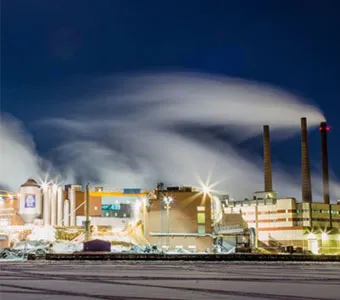
Arkansas’s industrial use of asbestos was highest in plants where intense heat was generated or managed. Paper mills, aluminum production facilities, chemical plants, and power generation required insulated boilers, turbines, and processing equipment. Cement products, roofing materials, and industrial flooring may also have contained asbestos during periods of heavy construction and development.
The Occupational Safety and Health Administration estimates that approximately 2.3 million workers in the United States are exposed to respirable crystalline silica each year, illustrating how legacy industrial materials can continue to pose occupational hazards.
What to Do if You Were Exposed to Asbestos in Arkansas?
If you think that you were exposed to asbestos in an industrial workplace in Arkansas, keep employment records, union membership information, and job-site information, as they may help you identify the area of possible exposure.
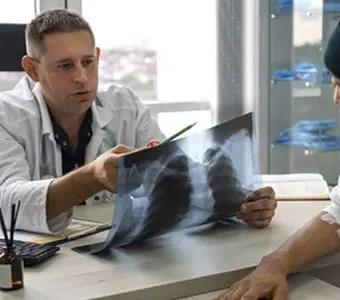
Anyone experiencing a new, ongoing cough, chest pain, difficulty breathing, or sudden weight loss should share their work history with a physician. The onset of asbestosis and other asbestos-linked ailments can often be delayed for as many as 15 to 45 years in some cases.
Legal Rights for Workers Exposed to Asbestos in Arkansas
Arkansas generally provides a three-year statute of limitations for personal injury actions, per Ark. Code § 16-56-105. Claims that involve latent diseases, like mesothelioma, can include a discovery-based analysis. This can mean that the statute of limitations does not begin to run when the exposure occurs, but when a diagnosis is made.
Wrongful death actions are governed by Ark. Code § 16-62-102. Product liability claims involving third-party manufacturers and suppliers can also be included in addition to employment-based claims, depending on the facts and circumstances.
FAQs
Can Asbestos Exposure Occur Outside of Direct Industrial Labor?
Asbestos exposure is not limited to direct industrial work and can result from labor in proximity to insulation, mechanical systems, or building renovation in older facilities. Maintenance personnel, custodial workers, contractors, and even administrative staff in aging industrial buildings may have been exposed to disturbed materials without directly working with asbestos products.
Secondary exposure may occur when fibers are transferred to clothing or equipment. This is why workplace conditions should be considered — not just job title.
Are Asbestos-Containing Materials Still Present in Older Arkansas Buildings?
Asbestos-containing building materials may still be found in some older Arkansas structures built before the more widespread restrictions. Some schools, municipal buildings, and industrial facilities built before the 1980s have some original building insulation, floor tiles, roof materials, or fireproofing products remaining.
While these may not present an immediate danger if they remain intact, they can present problems when renovation, demolition, or repair work occurs. Typically, an inspection and abatement procedure is needed before major work can take place.
What Arkansas Agencies Oversee Asbestos Regulation and Compliance?
In Arkansas, the Arkansas Department of Energy and Environment, Division of Environmental Quality plays a role in the asbestos regulation and compliance with asbestos state and federal requirements for inspection, removal, and disposal.
Licensing and notification requirements are among the regulations placed upon contractors doing asbestos abatement work in Arkansas. These methods of oversight are intended to minimize public exposure during demolition and renovation projects, as well as during industrial maintenance.
Can Asbestos Exposure Affect Workers Who Only Performed Maintenance or Repairs?
Workers who were involved in only maintenance or repair work may have been exposed to asbestos. Many types of industrial equipment and building systems historically included asbestos in insulation and sealing products.
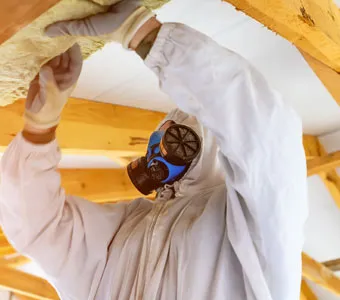
During maintenance, gaskets might be replaced, valves serviced, boilers repaired, or old insulation removed. The cutting, scraping, or removal of old asbestos-containing components in even short-term maintenance or repair projects might release fibers into the air.
Contact an Arkansas Asbestos Exposure Lawyer
The industrial history of asbestos in Arkansas reflects the material’s broad applications in buildings and facilities where fire resistance and insulation were necessary. In manufacturing plants, power generation facilities, construction sites, and other industrial settings, workers may have been exposed to asbestos materials as part of their daily job tasks many years before the hazards were fully recognized.
Given the long latency period for asbestos-linked illnesses, historical usage data is valuable in assessing past workplace exposures. Wallace & Graham, P.A., offers information and legal options for those who have been diagnosed with mesothelioma and other asbestos-related diseases. Schedule a consultation and hire an Arkansas asbestos lawyer today.
About the author:
William M. Graham
Managing Partner of
Wallace & Graham, P.A.
William M. Graham is the Managing Partner at Wallace & Graham, P.A. in Salisbury, NC, where he focuses on mesothelioma and asbestos exposure cases. With over 30 years of legal experience, he has been admitted to the North Carolina State Bar (1991). Graham earned his J.D. from Antioch School of Law and is recognized for his dedication to clients affected by asbestos-related illnesses. His practice reflects deep expertise and commitment to client advocacy.

 Se Habla Español