Searching for Arkansas asbestos exposure job sites is often one of the first steps individuals take when trying to understand whether past work environments may have involved asbestos-containing materials.
Arkansas factories and industrial plants contained asbestos for decades in insulation, machine parts, and fireproofing materials. Former work sites may be examined by employees, contractors, and families to determine where and when asbestos exposure may have occurred during everyday industrial and construction work in the twentieth century.
Determining potential sites of asbestos exposure may require a thorough examination of historic industrial records, products in use, and work histories. Wallace & Graham, P.A., is dedicated to the investigation and prosecution of complex mesothelioma and toxic exposure cases throughout the country.
Our attorneys have close to 40 years of combined legal experience in handling asbestos-related claims, including both industrial worksites and occupational exposure. Our process regularly involves reviewing facility archives, product information, and employment records to understand where asbestos exposure may have occurred and how it relates to later medical findings.
Major Arkansas Industrial Facilities Historically Linked to Asbestos Use
Facilities that required resistance to high temperatures or durable insulation often used asbestos in their construction. Boilers, turbines, steam lines, and industrial furnaces frequently used asbestos-containing insulation and sealants during much of the twentieth century. The Centers for Disease Control and Prevention reported 2,669 new mesothelioma cases in the United States in 2022.
Occupational exposures from years past in industrial settings are often behind these diagnoses. Job sites with large-scale mechanical systems that predate stricter regulations later in the twentieth century are frequently identified in historical asbestos exposure records.
Construction and Commercial Buildings That Used Asbestos Materials
Asbestos was not confined to factories and industrial plants. Many commercial and institutional buildings built before the 1980s used asbestos in some form. Insulation, fireproof wall panels, ceiling tiles, roofing products, and floor tiles often contained asbestos fibers.
Builders added these to make products more durable and to increase fire resistance. They were common in schools, hospitals, government buildings, and large commercial buildings in Arkansas and across the United States.
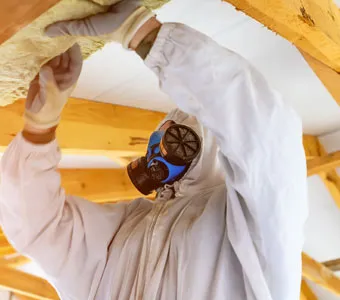
Older asbestos-containing products can be stable when left alone, but renovation or demolition projects can release fibers from them. Jobsite lists from the past often include these because construction workers, maintenance workers, and contractors may have disturbed asbestos during repair or remodeling projects.
How Historical Job-Site Lists Are Compiled
Past asbestos job-site lists are generally constructed from several types of evidence. Personnel records, union records, company plant records, commercial supplier lists, and legal documents may all be used to help identify places where asbestos was present. Historical building records and product information may be used to identify facilities that added particular types of insulation or fireproofing during specific time periods.
Asbestos exposures frequently occurred 15 to 45 years before a disease appeared, and job-site lists can be useful in providing perspective for those trying to recreate a worker’s employment history related to older facilities.
Notable Arkansas Facilities Frequently Referenced in Asbestos Records
Examples of facilities in Arkansas frequently seen in historical exposure research include some of the state’s larger industrial facilities with equipment typical of plants of their type. Examples frequently referenced in historical exposure research include the Reynolds Metals Company aluminum operations at Bauxite, Arkansas Nuclear One near Russellville, Pine Bluff Arsenal, and large paper production facilities such as the International Paper mill in Pine Bluff.
Such sites were characterized by extensive use of high-temperature equipment, pressure systems, and industrial insulation at peak times of production. More than 50 WHO Member States have banned the use of asbestos, and public health authorities estimate that approximately 200,000 deaths worldwide, and 70% from work-related cancers, are attributed to occupational exposure to asbestos each year.
FAQs
How Can Someone Confirm Whether a Past Workplace Contained Asbestos?
You can hire an Arkansas asbestos lawyer to review old building and maintenance records or occupational safety records for evidence of asbestos. Facilities sometimes conducted asbestos surveys before construction, renovation, or demolition, and records of these may still exist.
Retirees may also remember the insulation, fireproofing, or industrial supplies they worked with at the worksite. Occasionally, there may be public environmental or archived regulatory records that name specific asbestos-containing products that were used at a facility.
What Symptoms Are Sometimes Associated With Asbestos-Related Diseases?
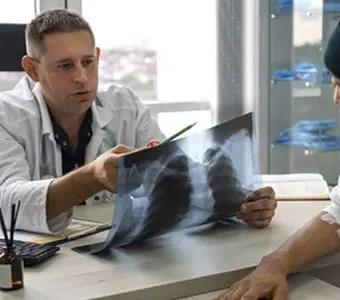
Symptoms of asbestos-related diseases can include coughing, chest pain, shortness of breath, and fatigue. These are common symptoms of a wide variety of respiratory illnesses, and a physician will likely ask about the patient’s work history to identify or rule out asbestos disease as a cause. A doctor can better determine the need for this information if they become aware of the exposure early in a patient’s evaluation.
Are Family Members Able to Bring Claims Related to Asbestos Illness?
Family members can sometimes file their own legal claims for asbestos illness when a loved one has passed away due to an asbestos-related disease. Claims brought by family members are often referred to as wrongful death actions and are determined by state law.
In Arkansas, most wrongful death claims are brought under Arkansas Code § 16-62-102. These types of claims may be brought to recover for financial loss or other damages incurred by family members after an asbestos-related death.
Can Military Service in Arkansas Be Linked to Asbestos Exposure?
Military service can also be connected to asbestos exposure in Arkansas at locations where older ships, vehicles, or mechanical equipment were repaired or maintained. Facilities such as the Pine Bluff Arsenal historically serviced equipment or stored materials that may have contained asbestos insulation or fire-resistant components.
Veterans who worked in these areas, including in maintenance, engineering, or equipment repair, may look back on their service records and duty assignments to better assess whether these materials were present.
Contact an Arkansas Asbestos Exposure Lawyer
Historical Arkansas asbestos exposure job sites help workers understand where asbestos-containing materials may have been present. Wallace & Graham, P.A., provides information and guidance for individuals seeking to understand potential occupational asbestos exposure. Schedule a consultation today.
About the author:
William M. Graham
Managing Partner of
Wallace & Graham, P.A.
William M. Graham is the Managing Partner at Wallace & Graham, P.A. in Salisbury, NC, where he focuses on mesothelioma and asbestos exposure cases. With over 30 years of legal experience, he has been admitted to the North Carolina State Bar (1991). Graham earned his J.D. from Antioch School of Law and is recognized for his dedication to clients affected by asbestos-related illnesses. His practice reflects deep expertise and commitment to client advocacy.

 Se Habla Español