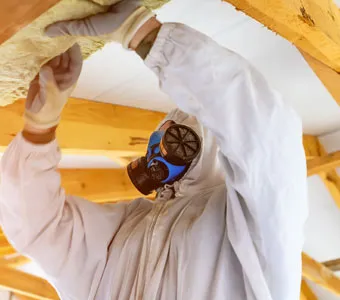
Boilermakers’ asbestos exposure risks are closely tied to the environments where these skilled tradespeople worked for decades. Boilermakers frequently installed, repaired, and maintained high-pressure boilers, tanks, and piping systems that have historically used heat-resistant insulation materials.
Asbestos was a common component in many of these materials. Asbestos-related diseases have long latency periods, so it is critical to understand how and why exposure took place during the construction, maintenance, and shutdown of boilers to fully assess the long-term occupational health risks.
Boilermaker asbestos claims can include exposure many years ago and at multiple industrial locations. Wallace & Graham, P.A., has nearly 40 years of combined experience litigating complex mesothelioma and toxic exposure cases nationwide.
The firm’s work in asbestos litigation has received national recognition, including a 2020 Trial Lawyer of the Year award for a mesothelioma case. In addition to building individual legal claims, the firm can help connect clients with other experienced medical professionals and specialists across the country when reviewing asbestos-related diagnoses.
High-Heat Environments and Insulation Exposure
Boilermakers worked on boilers, pressure vessels, heat exchangers, and steam systems designed to operate at high temperatures. Asbestos insulation was frequently used to reduce heat loss, as well as a fire prevention measure for these systems and equipment throughout much of the twentieth century.
Fibers could be released into the air when boilermakers cut into insulation, replace refractory, or remove worn gaskets. In 2022, there were 2,669 newly reported cases of mesothelioma in the United States, according to the Centers for Disease Control and Prevention.
Worldwide, public health officials have estimated that over 200,000 deaths annually are caused by occupational exposure to asbestos. Many of these victims are people who were occupationally exposed decades ago in high-heat industrial workplaces.
Shutdowns, Retrofits, and Tear-Out Work
Industrial shutdowns and major retrofits sometimes required boilermakers to lead demolition and rebuild efforts. Scheduled outages at refineries, power plants, and manufacturing facilities called for old insulation, sealing, and packing compounds to be scraped and replaced. Time-sensitive projects often included removing brittle insulation on pipes and boilers.
The removal process can release asbestos fibers into the surrounding air. Since many facilities operated for decades before strict workplace controls were put in place, boilermakers doing tear-out work may have experienced repeated exposure over the course of their careers during regular maintenance cycles.
Cumulative Exposure Across Multiple Jobsites
Union boilermakers with the International Brotherhood of Boilermakers frequently moved between refineries, chemical plants, power stations, and shipyards. Boilermakers can be part of special shutdown crews who service several facilities over the course of their careers. Being part of a union didn’t shield these workers from asbestos, which was common in older infrastructure from that period.
Union boilermakers who work with the installation, repair, and replacement of insulation and pressure parts have a long list of employers and job sites that may be difficult to determine after the fact.
FAQs
How Did Confined Spaces Increase Asbestos Exposure for Boilermakers?
Confined spaces further contributed to asbestos exposure among boilermakers. Enclosed boiler drums, fireboxes, and mechanical rooms were often poorly ventilated, as fibers may have built up in the air when insulation, refractory lining, or internal parts were cut, removed, or replaced, rather than quickly dispersing.
Working in enclosed spaces meant boilermakers might inhale a lot of dust, even during quick tasks. Little air circulation, as well as repeated entry into these confined spaces, made such assignments an occupational hazard.
What Types of Asbestos-Containing Materials Did Boilermakers Commonly Encounter?
Boilermakers frequently dealt with asbestos-laden materials, including things like block insulation and high-temp gaskets. These materials were heat and pressure-resistant and used in boilers and associated equipment. Installing, fixing, or taking out block and cement insulation often caused it to fall apart, sending tiny fibers into the air.
Exposure did not always require direct handling. Asbestos fibers can settle on clothing, equipment, tools, and other surfaces in the vicinity during routine maintenance activities.
Can Short-Term Boilermaker Jobs Still Result in Asbestos Exposure?
Short-term boilermaker positions could still have exposed workers to asbestos if work involved disturbing insulation, seals, or interior linings inside of equipment. Jobs that only lasted days or weeks may have required high-intensity tear-out work inside older facilities.
The size of asbestos fibers makes them easily airborne when disturbed, so the risk of exposure would have depended more on the type of work than the total amount of time spent at a given work site.
Did Protective Equipment Always Prevent Asbestos Exposure?
Protective equipment is not always effective or available. Before today’s respiratory standards, boilermakers sometimes encountered asbestos, since respirators and other protective gear weren’t always a given, and frequently weren’t readily available, properly fitted, or even mandated for use.
In some instances, workers were only provided with basic dust masks, which do not protect workers from microscopic asbestos fibers. Engineering controls and ventilation systems were less likely to be in place in the mid-century industrial environment.
Can Family Members Be Affected by a Boilermaker’s Work Exposure?
Family members can be affected by a boilermaker’s work exposure through what is sometimes called secondary or household exposure. Work clothes, boots, and tools could become contaminated with asbestos fibers and be carried home from work at the end of a shift.
Family members who came in contact with contaminated clothing or shared a household may have been unknowingly exposed by inhaling the fibers. Courts have acknowledged that the risk of exposure was not always confined to the worksite.
Contact an Asbestos Exposure Lawyer
Boilermakers are at risk for asbestos exposure due to years of working around high-temperature boilers, pressure vessels, and insulation systems. The nature and time of these potential exposures are significant because mesothelioma and other asbestos-related diseases can take decades to develop. The particular duties and materials used at the job are important to know when considering possible exposure.
Employment records, union records, and plant records may assist in identifying where and when a worker was exposed. Wallace & Graham, P.A., advocates on behalf of people diagnosed with asbestos-related diseases and can review employment history to identify what options may exist. Schedule a no-obligation consultation and hire an asbestos exposure lawyer today.
About the author:
William M. Graham
Managing Partner of
Wallace & Graham, P.A.
William M. Graham is the Managing Partner at Wallace & Graham, P.A. in Salisbury, NC, where he focuses on mesothelioma and asbestos exposure cases. With over 30 years of legal experience, he has been admitted to the North Carolina State Bar (1991). Graham earned his J.D. from Antioch School of Law and is recognized for his dedication to clients affected by asbestos-related illnesses. His practice reflects deep expertise and commitment to client advocacy.

 Se Habla Español