People often begin searching for Ohio asbestos exposure job sites after receiving a diagnosis of mesothelioma, lung cancer, or another asbestos-related disease. For many years, asbestos was used in industrial, commercial, and military facilities in Ohio. The strong, heat-resistant fibers found their way into a variety of building materials and products. Identifying these job sites is crucial to piecing together occupational exposure, as these diseases can take decades to manifest.
Wallace & Graham, P.A., advocates for mesothelioma victims and their families across the United States. Our attorneys have over 40 years of combined experience in complex asbestos litigation in Ohio. Our work has been nationally recognized, including receiving the 2020 Trial Lawyer of the Year award.
We can also connect clients to experienced medical providers and specialists around the country, as we know these claims often require the careful coordination of medical and legal assessments.
Heavy Industry and Manufacturing Facilities
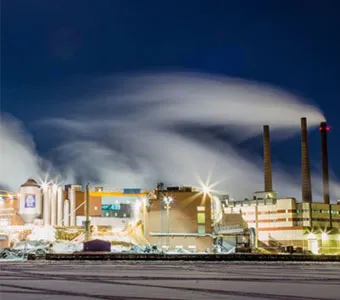
Ohio’s rich industrial past is central to many conversations about Ohio asbestos exposure job sites. Asbestos was found in the steel mills, foundries, automotive plants, and machine shops of Cleveland, Youngstown, Toledo, and throughout the state for much of the twentieth century. Furnaces, boilers, and pipe systems were lined with heat-resistant insulation made with asbestos.
Gaskets and brake components made from asbestos-containing materials were also a common sight in manufacturing equipment across the state. Nationally, there were 2,669 new cases of mesothelioma reported to the Centers for Disease Control and Prevention in 2022, most resulting from occupational exposure decades earlier in industrial settings like those once common across Ohio.
Power Plants and Utility Infrastructure
Ohio’s coal-fired power plants and municipal utility facilities have been major users of asbestos insulation. Turbines, generators, steam lines, and other electrical components were insulated with asbestos products to prevent fires and other damage. When performing maintenance, electricians, pipefitters, and contractors were likely to disturb insulation and asbestos dust.
In Ohio power stations, turbines and generators are a major point of exposure. Since many plants have been in operation for many years, it is possible that workers were exposed to asbestos during maintenance and repair work, especially before the end of the twentieth century.
Military Installations and Shipbuilding Support
Although Ohio is not a coastal state, asbestos exposure was still possible for people working at military facilities, naval reserve centers, and manufacturing plants that supported the defense industry. Items such as equipment, vehicles, and building materials made at Ohio defense plants may have contained asbestos.
Each year, public health sources attribute over 200,000 fatalities in the United States to job-related asbestos exposure. Jobs that required fabricating or assembling equipment or working on maintenance may have put workers in contact with asbestos-containing components without their being aware of the danger.
Commercial Buildings, Schools, and Public Infrastructure
In addition to heavy industry, asbestos was also commonly used for commercial construction throughout Ohio, such as in schools, hospitals, courthouses, and even office buildings. Floor tiles, ceiling products, roofing materials, insulation, and fireproofing compounds frequently contained asbestos through the 1970s.
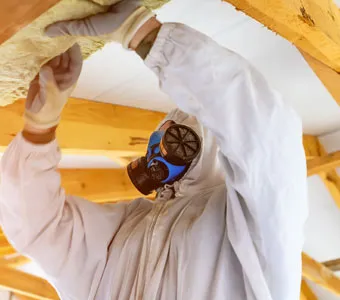
Custodial staff, maintenance workers, contractors, and renovation crews may have been exposed during repairs or demolition of these older structures. Given the typical latency period of 15 to 45 years for asbestos-related diseases, construction work from the mid-1900s could have caused exposures that remain undetected for many years. Historical records of these buildings, including renovation histories, may provide valuable clues.
FAQs
What Is the Filing Deadline for an Asbestos Claim in Ohio?
Ohio also has a set of procedural requirements specifically for asbestos cases. Timing and medical documentation can, therefore, be determinative of whether a claim can be pursued.
Are There Specific Ohio Laws That Apply Only to Asbestos Cases?
Ohio has enacted statutes that apply only to asbestos cases. Ohio Revised Code § 2307.91 through 2307.98 set forth medical criteria that must be satisfied before certain asbestos claims can be maintained. These statutes were designed to give priority to claims based on a diagnosed impairment and to require extensive medical proof.
Ohio courts have held that they must determine whether a plaintiff has satisfied the statutory requirements before permitting the case to proceed on the active docket.
Which Ohio Cities Had the Highest Industrial Asbestos Use?
Cities like Cleveland, Youngstown, Toledo, Akron, and Cincinnati were home to major industrial operations with historical uses of asbestos. Steel and manufacturing plants near the Cuyahoga River in Cleveland, for instance, utilized high-heat insulation products for much of the twentieth century.
Steel mills in Youngstown and rubber manufacturing plants in Akron also integrated asbestos into equipment and infrastructure. These histories have exposed trades across many generations to potential asbestos exposure.
Does Ohio Law Allow Claims Against Companies That Are No Longer Operating?
Claims in Ohio may be brought against defunct companies, depending on the corporate history and the law of successor liability. Liability may be possible against a successor company, insurance companies, or a properly funded bankruptcy trust fund, even where an Ohio facility has shut down or where the manufacturer has gone through reorganization.
To identify a responsible party for the asbestos claim, the court may consider both the restructuring’s corporate journey and the product’s sales records.
Contact an Ohio Asbestos Exposure Lawyer
Asbestos exposure job sites in Ohio include industrial plants, power plants, military suppliers, and public buildings constructed at times when asbestos use was common. Since diseases may not become apparent for many years, diligent documentation of work history and facility conditions may be important.
Examination of employment records, union records, and product history information may assist in identifying possible exposure sources. Wallace & Graham, P.A., has experience in assessing complex work histories and industrial facility records in asbestos litigation.
A detailed legal assessment can help identify possible options under Ohio law for the specific facts involved. Schedule a consultation to hire an asbestos exposure lawyer today.
About the author:
William M. Graham
Managing Partner of
Wallace & Graham, P.A.
William M. Graham is the Managing Partner at Wallace & Graham, P.A. in Salisbury, NC, where he focuses on mesothelioma and asbestos exposure cases. With over 30 years of legal experience, he has been admitted to the North Carolina State Bar (1991). Graham earned his J.D. from Antioch School of Law and is recognized for his dedication to clients affected by asbestos-related illnesses. His practice reflects deep expertise and commitment to client advocacy.

 Se Habla Español