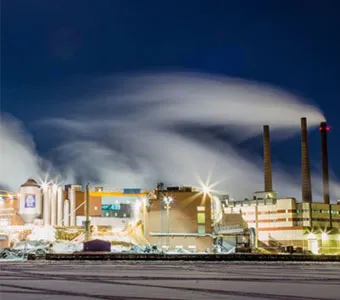
Facilities in Kentucky have served key functions in the manufacture, power production, and materials processing of industries during times when asbestos was commonly used in design. Kentucky asbestos exposure job sites are often discussed in terms of how the everyday operations of these facilities exposed workers to asbestos via insulation, machinery, and construction materials that were typical of the era.
Examining the way that these operations took place may help families better understand how current-day diagnoses can relate to employment that took place many years ago.
The attorneys at Wallace & Graham, P.A., bring decades of combined experience to the study of asbestos exposure in industrial workplaces. Our work has involved reviewing how facilities were built, how materials were selected, and how safety knowledge evolved over time. That background helps place Kentucky job environments within the broader history of occupational disease and compensation systems.
Kentucky Legal Time Limits for Asbestos-Related Illness
Kentucky usually adheres to a one-year statute of limitations, as per Ky. Rev. Stat. § 413.140, with focus centered on when the illness was, or should have been, recognized. As that recognition is often many years after the job, courts analyze how medical history interacts with the law. Both the calendar and the industrial environment hold critical roles in assessing whether a claim will receive further consideration.
How Production Networks Linked Kentucky Workplaces
Much of Kentucky’s industry operated within supply chains rather than in single, distinct plants. Supplies, replacement parts, and external contractors all came and went as product schedules and maintenance needs changed. An employee could be permanently stationed at one facility or area, yet still share the same airspace with equipment or supplies introduced by another employer.
The decades-long latency period recognized for mesothelioma means that a current diagnosis may be linked to conditions created by decisions or agreements made many years before an employee started work. To fully appreciate those timelines, a person’s employment history may need to be considered within that larger context.
Why National Trends Matter to Local Histories?
National disease patterns show how widely similar materials were used across industries. CDC records show that there were 2,669 new mesothelioma cases diagnosed in 2022, a stark reminder that the effects of those past industrial systems are still being discovered.
Kentucky workers were a part of those national systems of procurement, design, and distribution. Understanding a diagnosis in that broader context can help to explain how similar stories emerge in communities thousands of miles apart.
Massive industrial interiors are seldom, if ever, used for one task at a time. Fabrication, supervision, transport, and repair might all be occurring at the same time, with workers shifting from one to another over the course of a shift. Epidemiological studies have calculated that around 80% of mesothelioma cases are pleural, supporting the primacy of inhalation.
In a building where activities are overlapping, fibers released in the course of one project could be circulating into areas where others are continuing work. Appreciation of movement also aids families in understanding why those who were far away from a particular repair are, nonetheless, part of an exposure conversation.
Maintenance Culture and Informal Work Practices
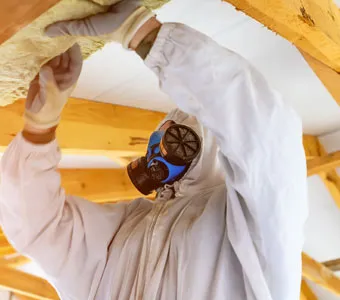
Work practices around industrial safety often appear very different in retrospect. At some facilities, seasoned workers found informal ways to fix leaks, breakdowns, or worn-out parts just enough to maintain operations. Quick fixes, second-use parts, or jury-rigged solutions became accepted practice.
Work patterns established across decades dictated how frequently people interacted with old machinery. Reviewing culture as well as official procedure can therefore yield a valuable perspective on how opportunities for exposure occurred.
FAQs
Do Government Benefit Programs Prevent Someone From Bringing a Legal Claim?
Receipt of veterans’ or disability benefits does not necessarily preclude the option of filing for a product manufacturer or supplier. Systems exist for different reasons and may not overlap. Interaction between programs remains possible because selecting one program does not automatically terminate eligibility for the remaining program. A lawyer who is familiar with matters pertaining to asbestos and mesothelioma can help you assess your options.
Why Might Employment Records Be Difficult to Locate Today?
Enterprises go out of business, combine, move, or change management, and record-keeping policies differ greatly. Maintenance logs, along with blueprints and payroll files, may have been eliminated from records many years ago. When paper trails run out, investigators can examine trade publications, as well as supplier catalogs, or gather former employees’ testimony.
When Did Companies Begin Regulating Asbestos in the Workplace?
Official regulations came much more slowly as science revealed the nature of asbestos disease. The original industrial rules were based on readily visible dangers, not microscopic fibers. Federal and state agencies eventually established exposure limits, training, and abatement methods. However, these occupational safety measures came into place after numerous workers had already started their professional lives.
How Is Mesothelioma Confirmed by Doctors?
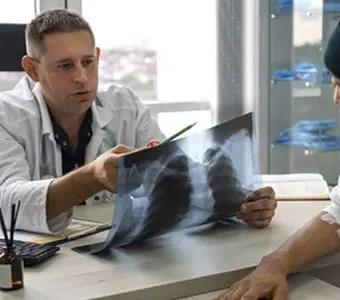
Diagnosis often includes imaging, a specialist’s assessment, and laboratory examination of tissue samples. Given the similarity of symptoms to other disorders, pathologists may undertake extensive testing to ensure mesothelioma is not confused with other cancers. Classification is crucial because both treatment planning and legal review are dependent on the medical determination.
What Must Be Proven in an Asbestos-Related Legal Claim?
A civil case typically must show that someone was exposed to an asbestos-containing product related to a defendant and that the exposure was a cause of the disease. Courts may evaluate medical testimony, employment information, and product history. Proving those elements can be more technical and historical than just an acknowledgement that it was present at the job site.
Contact a Kentucky Asbestos Exposure Lawyer
The industrial growth of Kentucky is the result of years of choices regarding materials, maintenance, and employee safety that are only now becoming apparent. Wallace & Graham, P.A., investigates these historic environments to assist families in understanding how work experiences relate to current medical understanding. Connecting personal experience to the bigger picture allows complex liability questions to be assessed.
William M. Graham is the Managing Partner at Wallace & Graham, P.A. in Salisbury, NC, where he focuses on mesothelioma and asbestos exposure cases. With over 30 years of legal experience, he has been admitted to the North Carolina State Bar (1991). Graham earned his J.D. from Antioch School of Law and is recognized for his dedication to clients affected by asbestos-related illnesses. His practice reflects deep expertise and commitment to client advocacy.

 Se Habla Español