
 Se Habla Español
 Ohio Mesothelioma Lawyer
Mesothelioma Attorney in Ohio
Diagnoses of mesothelioma often come years or even decades after initial asbestos exposure, with Ohio families forced to make significant medical decisions with very little time or warning. An Ohio mesothelioma lawyer can make a meaningful difference in identifying the source of exposure, preserving evidence, and pursuing accountability from the companies responsible.
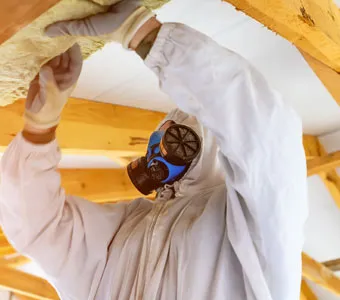
Asbestos exposure can occur at industrial job sites, power plants, manufacturing facilities, or as a result of asbestos products that were commonly used throughout the state in years past. Wallace & Graham, P.A., can help determine how and where exposure may have occurred and seek out a claim against the companies that put these dangerous materials into the workplace without proper safety measures or warning.
Hire a Mesothelioma Lawyer
Wallace & Graham, P.A. is a mesothelioma and asbestos law firm representing individuals and families injured by toxic industrial exposure. Our lawyers have been conducting discovery on historical job sites, tracking down asbestos products, and building evidence in cases where exposure may have taken place decades earlier.
We focus exclusively on serious injury and wrongful death cases, so we can pursue mesothelioma cases with the preparation, resources, and tenacity they require.
Common Sources of Asbestos Exposure in Ohio
Ohio’s industrial past resulted in many workplaces with high potential for long-term asbestos exposure. Employees were routinely exposed at steel mills in Youngstown, auto factories in Toledo, power plants on Lake Erie, and industrial facilities in Cleveland and Akron. Asbestos was also common in building materials used in factories, schools, and commercial buildings across the state.
Workers were often exposed without directly handling asbestos. Maintenance workers, electricians, pipefitters, and insulators may have been exposed while working near asbestos-containing parts. Family members of asbestos-exposed workers may have also experienced secondary exposure from fibers on workers’ clothing.
How Mesothelioma Develops After Long-Term Exposure
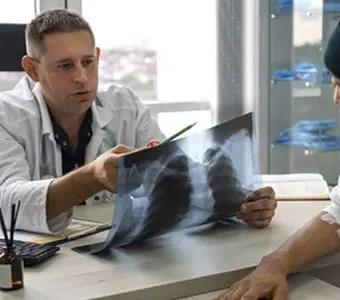
Mesothelioma is primarily caused by the inhalation or ingestion of asbestos fibers. These fibers become trapped in the lining of the lungs or abdomen. Medical professionals note that symptoms generally take several decades to manifest, so many Ohio patients are not diagnosed for many decades after exposure.
The CDC’s national cancer statistics report 2,669 new mesothelioma cases in the United States for 2022. Prognosis with treatment is still very poor; the median survival time after diagnosis is 12 to 18 months. Due to this long latency period, early detection is rare, and pinpointing exposure requires extensive investigation.
Identifying Asbestos Exposure That Occurred Decades Ago
Since most asbestos exposures occurred years, even decades, before diagnosis, attorneys must reconstruct work and exposure histories based on specific job duties and products used in the workplace. In Ohio cases, the exposure could have resulted from a job at a now-defunct or name-changed industrial facility.
Union records, Social Security employment records, maintenance records, and product invoices are some of the many records that might provide evidence of exposure. Sometimes, a co-worker will testify to the product’s use, or industry records will show what asbestos-containing products were in use at a particular facility at the time in question. Investigation is key in these cases.
Who May Be Legally Responsible for Mesothelioma in Ohio?
Mesothelioma claims are usually brought against the companies that made, supplied, or distributed asbestos-containing products, rather than against specific employers. Liability for mesothelioma extends across product manufacturers and contractors to premises owners and corporate successors who inherited obligations through mergers or acquisitions.
Ohio Rev. Code § 2307.92 governs asbestos-related claims and establishes medical and evidentiary requirements that must be met to pursue claims against those responsible for asbestos-containing products or operations. These cases often include numerous defendants and require evidence that exposure was a substantial factor in causing illness.
Identifying the appropriate parties is an important step in the compensation claim process under Ohio liability law.
Compensation Available in Ohio Mesothelioma Claims
Mesothelioma claims in Ohio can potentially cover costs for medical treatment, lost wages, diminished earning capacity, and pain and suffering due to asbestos-related disease. In some cases, compensation may also cover future medical care or a loss of financial support to family members.
Ohio Rev. Code § 2305.10(A) generally requires asbestos-related personal injury claims to be brought within two years of the date of diagnosis or the date the asbestos-related condition was reasonably discoverable. Since recovery will be based on the facts of the individual case, it is important to preserve a record of exposure history and medical evidence as soon as possible.
Wrongful Death Claims for Mesothelioma in Ohio
Mesothelioma claims that result in the death of the person affected by this form of cancer can be filed by family members as wrongful death actions. These can compensate for such losses as funeral and burial expenses, loss of financial support, and loss of society and companionship.
Ohio Rev. Code § 2125.02, like many states, sets a two-year statute of limitations for wrongful death actions. Such actions are independent of personal injury actions, and the plaintiff must prove that asbestos exposure was the cause or a contributing cause of the death. Accuracy and proper filing are important, especially in cases where the exposure took place several decades ago.
Why Asbestos Litigation Requires Focused Experience?
Mesothelioma cases differ from other personal injury matters due to their medical and legal complexity, exposure histories that often span decades, and the number of potentially responsible parties involved. When families hire a mesothelioma lawyer, the case often hinges on a detailed investigation into industrial practices, product identification, and corporate lineage.
Ohio-based claims may require reconstructing exposure at companies that have closed or changed ownership multiple times. Because defendants frequently contest causation and liability, asbestos litigation must be trial-ready and supported by medical evidence and historical documentation. Focused development allows these claims to be built with the depth they require.
FAQs About Mesothelioma in Ohio
Can an Ohio Mesothelioma Claim Proceed if the Responsible Company Filed for Bankruptcy?
Many asbestos defendants have filed for bankruptcy protection in the face of extensive litigation. In such cases, claims may be pursued through asbestos bankruptcy trusts. Asbestos trusts were established to provide compensation to victims even if the original company is no longer in business.
Eligibility depends on exposure history, medical documentation, and the specific terms of each trust. Bankruptcy does not always preclude recovery but may alter the legal process.
What Evidence Is Used When the Exposed Worker Has Already Retired?
When mesothelioma exposure occurred many years ago, claims rely more on historical records than current employment records. Supporting evidence may include Social Security earnings documents, union membership files, pension archives, prior job descriptions, and industry product usage records.
Statements from former coworkers or documentation showing asbestos-containing products used at specific facilities may help establish exposure. Retirement does not disqualify a claim, but a more thorough historical investigation is often required.
Does Ohio Require Medical Criteria to File an Asbestos Legal Claim?
Yes, Ohio has statutory medical prerequisites that must be satisfied before an asbestos-related tort claim can be brought in that state. Ohio Rev. Code § 2307.92 requires that the plaintiff in an asbestos claim prove, with supporting medical evidence, a qualifying asbestos-related physical impairment.
As this statute is designed to permit only claims involving demonstrable asbestos-related disease to go forward, satisfaction of the statute’s prerequisites has often been a threshold issue.
Can Family Members File Claims for Secondary Asbestos Exposure in Ohio?
In some cases, Ohio law may recognize a claim for secondary or “take-home” asbestos exposure. Secondary exposure refers to asbestos that is brought home on work clothes, tools, or equipment and then later inhaled by family members.
To succeed in these cases, it is necessary to demonstrate that family members maintained frequent contact with contaminated materials, which led to their illness. Secondary exposure cases generally require detailed information about contact in the home, laundering practices, and workplace exposure.
Can an Ohio Mesothelioma Claim Be Filed if Exposure Occurred in Multiple States?
Many asbestos victims worked at multiple job sites or for companies that did business in multiple states. Ohio may still be a proper forum for the claim, based on the claimant’s residence, place of exposure, or place of business of the responsible companies.
Employment history, corporate activity, and choice-of-law rules should be considered to determine where to file. Asbestos claims are not precluded by multi-state exposure.
Contact an Ohio Mesothelioma Lawyer
Mesothelioma cases take time to investigate and must be supported by strong medical evidence as well as a detailed account of how and when the asbestos exposure took place years, often decades, ago. Ohio families may face complicated work histories and evidence in connection with companies that may no longer exist and products that were commonly used without sufficient warnings.
Wallace & Graham, P.A., is well-versed in asbestos litigation and has spent decades serving as advocates for those who are facing serious illness as a result of industrial exposure. Our firm is committed to carefully preparing each case, considering the historical evidence and relevant Ohio law. If you or a loved one has been diagnosed with mesothelioma, contact us to schedule a consultation.



Get Help Today
Fields marked with an * are required
SERVING
LOCATIONS
NATIONWIDE
contact us
© 2026 by Wallace & Graham, P.A. All rights reserved.
Digital Marketing By 