
 Se Habla Español
 Arkansas Mesothelioma Lawyer
Mesothelioma Attorney in Arkansas
Diagnoses of mesothelioma may not occur until years after asbestos exposure, meaning that Arkansas families may have very little time to process the fact that they or their loved ones are seriously ill. An Arkansas mesothelioma lawyer can review your work history, product use, and working conditions to identify any possible asbestos exposure.
This review can help determine how the exposure occurred and whether the companies that manufactured, supplied, or introduced asbestos-containing materials into the workplace may be held legally responsible.
Hire a Mesothelioma Lawyer
At Wallace & Graham, P.A., our practice is devoted to mesothelioma and asbestos litigation nationwide. Our lawyers have extensive experience in researching historical exposure and asbestos products and developing evidence in cases involving complex industrial operations.
We represent individuals and families who have suffered serious injury or wrongful death from toxic exposure, and we work to prepare each case for trial with a litigation strategy designed to address disputed causation, long latency, and corporate responsibility.
Asbestos Exposure Tied to Arkansas’ Regional Industries
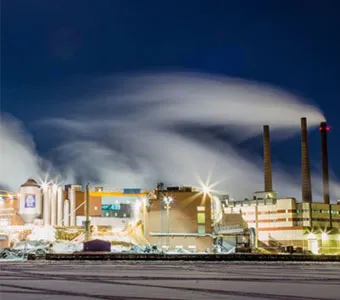
Many people in Arkansas were exposed to asbestos through working in regionally specific industries that have supported local economies for many years. Paper manufacturing in Crossett, energy production in El Dorado, and industrial activities near Little Rock all relied on asbestos-containing materials for their insulation and heat-resistant properties.
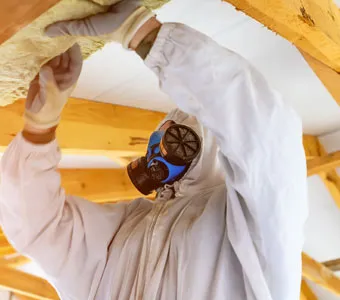
Workers can become exposed during maintenance and repair work on boilers, piping systems, turbines, and other heavy equipment. Repeated exposure can occur over many years, even when asbestos is not the primary material being handled in the workplace, leading to increased risk of long-term health effects.
Timing Considerations Unique to Mesothelioma Claims in Arkansas
One challenge with mesothelioma is timeliness. Symptoms of mesothelioma often do not arise for decades after exposure to asbestos. Therefore, many times, individuals are not diagnosed until years after their work exposure has ended.
National cancer statistics show that 2,669 people were diagnosed with mesothelioma in the United States in 2022. The prognosis for mesothelioma is poor, and the median survival following diagnosis is often reported in the range of 12 to 18 months. Arkansas cases prioritize diagnosis dates, which means prompt case assessment is critical once mesothelioma is revealed.
How Arkansas Courts Evaluate Historical Exposure Evidence
Arkansas courts understand that asbestos diseases like mesothelioma often don’t manifest until decades after exposure. Arkansas courts understand the evidentiary problems presented by asbestos-related diseases and allow historical evidence to prove exposure in cases where the employer no longer exists or records are no longer available.
Past employment, industry knowledge, use of products, and testimony from coworkers or professionals may be used to cumulatively show how asbestos exposure occurred. Instead of direct evidence of one point of exposure, Arkansas courts will consider whether the record as a whole shows that asbestos exposure was a substantial factor in causing the disease.
Mesothelioma Claims Involving Contract and Seasonal Workers in Arkansas
Many Arkansans who were exposed to asbestos in the workplace did not work as full-time employees. Contractors and seasonal workers often traveled from work site to work site, completed short-term projects, or worked for a variety of employers. Documentation such as employment records may be scarce or nonexistent.
Contractor or seasonal work is a frequent source of exposure in mesothelioma claims, given the prevalence of industrial projects and work-site mobility. Job logs, invoices, projects, and other industry documentation may be useful in proving exposure. While you may not have had one employer for your entire career, you can still file a claim. You will need to piece together more information about your work history.
Claims Involving Out-of-State Manufacturers and Suppliers
In many cases involving Arkansas mesothelioma claims, the asbestos products responsible for the exposure were made or supplied by out-of-state companies. For example, while exposure might have occurred in Arkansas, the liable party could be a manufacturer or supplier with outlets in many states across the country.
Arkansas claims can also cross state lines and involve jurisdictional challenges based on how the products made it into the workplace. Courts have looked at whether the company did business in Arkansas or specifically placed asbestos-containing materials in the stream of commerce in the state.
How Asbestos Exposure Affects Arkansas Veterans and Defense Contractors
Veterans and civilian workers who contracted asbestos while working on military equipment, bases, or as part of a federal contract in Arkansas may be eligible to file a claim. Asbestos was used on battleships, trucks and other vehicles, aircraft parts, and building construction for insulation and fireproofing materials.
Military personnel are more likely to have been exposed to asbestos through insulation and fireproofing material while in construction, maintenance, or repair jobs instead of direct combat. Military-related claims can be complicated by the need to work with both civilian asbestos claim litigation and military records based on employment or contracts with the federal government.
How Compensation Is Evaluated in Arkansas Asbestos Cases
Settlement amounts for mesothelioma in Arkansas are calculated based on how advanced your illness is, your medical outlook, your exposure history, and how many parties are at fault. Factors that a judge or jury may take into consideration include medical expenses, lost wages, loss of earning capacity, and physical pain caused by the disease.
Due to the fatal nature of mesothelioma, these cases are usually valued based on your available medical records and testimonies from your doctor. Every situation is unique, and there is no typical payout. Compensation is awarded to you based on the facts of your case and your proof.
Why Pleural Mesothelioma Is Central to Asbestos Exposure Claims?
Pleural mesothelioma, which affects the lungs, is the most common form linked to inhaling microscopic asbestos fibers. Since pleural mesothelioma accounts for approximately 80% of all cases, respiratory medical histories stand out as the most pivotal documentation in asbestos litigation.
Symptoms of this type of mesothelioma may occur over time, and other respiratory ailments may be blamed before a correct diagnosis is determined. For this reason, and due to the strong link between workplace exposure and pleural mesothelioma, medical records are often considered with employment history and industrial history to determine how and when asbestos fibers were encountered.
FAQs About Mesothelioma in Arkansas
Can an Arkansas Mesothelioma Claim Be Filed if Medical Treatment Occurred in Another State?
Arkansas residents are often diagnosed with cancer or receive treatment at specialized cancer facilities located outside the state. Traveling to receive medical care outside of the state does not automatically disqualify a claim from being filed in Arkansas.
Jurisdiction is often found where the exposure took place, where the responsible companies did business, or where the injured person resided. Diagnosis and damages from out-of-state health care providers serve as valid evidence, even if treatment occurred elsewhere.
Are Mesothelioma Claims in Arkansas Handled in State or Federal Court?
Mesothelioma claims can be filed in the Arkansas state courts and, in certain situations, in federal court. Cases that name out-of-state companies as defendants or involve exposure in multiple states can raise jurisdictional issues. The determination of venue can impact scheduling, procedure, and discovery, so evaluating the most optimal forum to file a claim is an important early step in an asbestos claim.
What Happens if the Person Diagnosed With Mesothelioma Is Too Ill to Participate in the Case?
Even if a person with mesothelioma is too ill to actively participate in a claim, they may still pursue a legal case. Depositions can capture testimony, while medical records and previous statements serve as additional evidence. The claim can proceed as a wrongful death suit brought forward by eligible relatives after the person’s death. It’s essential to start case preparation before other events occur so that important evidence can be secured.
Can an Arkansas Mesothelioma Claim Be Filed on Behalf of an Estate?
In some cases, a deceased mesothelioma victim’s estate can bring asbestos claims. Estate-based claims seek to recover losses experienced by the decedent, while a wrongful death action seeks to recover losses experienced by family members of the deceased. The two types of claims are subject to different legal standards and must be properly pled to satisfy Arkansas law.
Does Arkansas Law Allow Mesothelioma Claims Based on Environmental/Non-Occupational Asbestos Exposure?
In some rare cases, a claim for mesothelioma in Arkansas may be based on environmental exposure to asbestos. Potential sources include asbestos emissions from nearby industrial operations, construction activity, or the weathering of materials in the local area.
Environmental exposure cases demand specific facts, such as proof of recurring exposure to airborne asbestos fibers along with evidence that those fibers caused the illness. Documentation of the proximity, duration, and conditions of exposure is often important in assessing such cases.
Contact an Arkansas Mesothelioma Lawyer
Mesothelioma claims demand investigation, medical support, and documentation of the asbestos exposure that took place often decades prior to diagnosis. Arkansas cases can involve complex work histories, out-of-state manufacturers, or defunct companies.
Wallace & Graham, P.A., has dedicated its practice to asbestos litigation and to representing individuals and families facing serious illness due to toxic exposure. At Wallace & Graham, P.A., we take a very deliberate and thorough approach to each case, armed with historical investigation and understanding of applicable Arkansas law.
If you or a loved one has been diagnosed with mesothelioma, hire a mesothelioma lawyer who can help clarify available legal options and next steps. Book a no-obligation consultation now.



Get Help Today
Fields marked with an * are required
SERVING
LOCATIONS
NATIONWIDE
contact us
© 2026 by Wallace & Graham, P.A. All rights reserved.
Digital Marketing By 