
 Se Habla Español
 Alabama Railroad Workers Mesothelioma Lawyer
Railroad Workers Mesothelioma Attorney in Alabama
Rail lines key to Alabama’s industrial economy have long hauled heavy freight between production centers and national markets. An Alabama railroad workers’ mesothelioma lawyer from Wallace & Graham, P.A., can help former employees evaluate whether asbestos in locomotives and rail equipment contributed to illness discovered years after service.
Materials built to tolerate heat and friction often remained in use across many assignments, creating exposure questions that may surface long after retirement.
Hire a Railroad Workers’ Mesothelioma Lawyer
The attorneys of Wallace & Graham, P.A., have been handling asbestos exposure cases for individuals who have worked in the transportation and industrial sectors for close to four combined decades. We have handled cases involving railroads and other heavy industries, so our firm’s attorneys are experienced in understanding historical rail operations, supplier issues, and the common defenses that are asserted in these cases.
This understanding allows us to interpret complex documentation with established industry knowledge developed over decades of litigation.
Heavy Industrial Freight and Repeated Equipment Wear
Rail jobs supporting the Alabama industry often involved shipments related to steel production, fabrication, and raw materials. Cars passing through the Birmingham or Mobile areas, for example, typically need regular inspection and part replacement due to wear on braking and mechanical components.
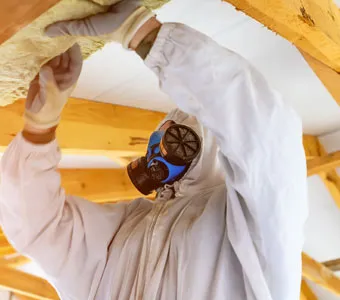
Materials engineered for long life and resilience, such as those containing asbestos, were often found in these settings. Service personnel who handled, inspected, or otherwise worked around these cars could be exposed to fibers released during regular servicing or aging.
Legal Framework After a Railroad-Related Diagnosis
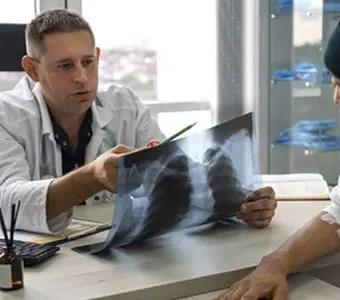
Once a diagnosis is made, the focus shifts to which companies manufactured the parts that are in use and what statutes of limitations apply. Survival after diagnosis often ranges between 12 and 18 months.
In Alabama, the statute of limitations is two years pursuant to Ala. Code § 6-2-38, which is generally calculated from the time of discovery. When you hire a railroad workers’ mesothelioma lawyer, they can examine medical findings and railroading methods to understand how this timing system applies to work history that stretches back over decades.
How Work Assignments Translate Into Exposure Evidence
A delayed diagnosis can bring a review of activities that may have seemed routine at the time. Mesothelioma can take many years, even several decades, to manifest after initial exposure, so researchers’ investigations often involve reconstructing a worker’s exposure by job title, shift times, and the machines they were servicing.
National cancer data show 2,669 new mesothelioma cases in 2022, a sign of how previous industrial practices still impact former employees. Determining a worker’s proximity to mechanical processes can become a key part of assessing a claim.
Contact an Alabama Workers’ Mesothelioma Lawyer
Work on the railroads associated with Alabama’s industrial trackage has the potential to create a web of complex issues involving equipment histories, supplier chains, and responsibility questions across decades of operations. Wallace & Graham, P.A., offers consultations to former railroad workers and their families to discuss the past and whether filing a mesothelioma claim is an option under applicable law. Contact us today.


Get Help Today
Fields marked with an * are required
SERVING
LOCATIONS
NATIONWIDE
contact us
© 2026 by Wallace & Graham, P.A. All rights reserved.
Digital Marketing By 