
 Se Habla Español
 Ohio Railroad Workers Mesothelioma Lawyer
Railroad Workers Mesothelioma Attorney in Ohio
Railroads involved a variety of mechanical systems that historically used asbestos. An Ohio railroad worker’s mesothelioma lawyer investigates whether locomotive maintenance, railcar repair, or equipment service put workers in contact with these materials. Railroad jobs can include working with large mechanical systems and equipment that were often built with asbestos-containing parts in the past.
Brake components, insulation, and other railroad equipment were designed to be heat-resistant, which asbestos was. Workers who performed these repairs or other mechanical maintenance could be exposed to asbestos fibers from servicing locomotives or rail equipment. Ohio mesothelioma lawyers at Wallace & Graham, P.A., are experienced in determining whether work environments, as such, played a role in a client’s asbestos exposure, which led to mesothelioma.
Hire a Railroad Worker’s Mesothelioma Lawyer
With almost 40 years of legal experience between them, the lawyers at Wallace & Graham, P.A., are skilled in handling complex occupational exposure claims. This work includes the review of railroad employment history, maintenance job duties, and historical product information related to legacy rail equipment.
Filing Deadline for Legal Claims
The statute of limitations for filing an asbestos claim in Ohio is found in Ohio Rev. Code § 2305.10. The general rule is that a person has two years from the discovery of the injury to file a claim for compensation.
For mesothelioma claims, the discovery date is usually the date of diagnosis or when a reasonable person would have concluded that the disease was related to asbestos exposure. Railroad work involves a unique exposure to products that have the ability to resist heat and friction. It may be critical to review one’s exposure history as soon as possible.
Railroad Infrastructure and Repair Work in Ohio
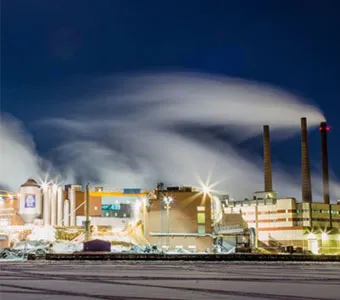
Ohio has always been one of the country’s most critical rail centers, linking Midwest manufacturing hubs to ports and distribution systems. Cities such as Cleveland, Toledo, and Cincinnati have long supported large rail yards, locomotive shops, and freight operations.
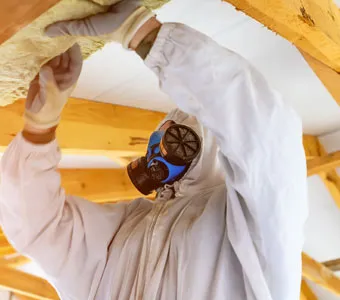
Railroad workers who repaired engines, maintained railcars, and serviced braking systems often worked around heavy mechanical components and insulated equipment. Asbestos was sometimes included in those materials during earlier decades because it could resist extreme heat and friction.
Mesothelioma and Long-Term Occupational Exposure
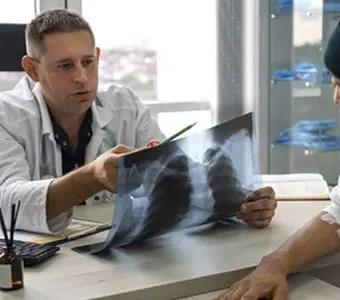
Mesothelioma continues to be strongly associated with prior asbestos exposure, particularly in industries involving heavy mechanical equipment and insulated systems. According to the CDC’s U.S. Cancer Statistics, 2,669 malignant mesothelioma cases were diagnosed in the United States in 2022.
Health authorities also estimate that more than 200,000 worldwide deaths are attributable to occupational asbestos exposure. Because railroad maintenance historically involved brake systems, engine insulation, and other high-friction components, some workers later diagnosed with mesothelioma explore whether previous rail employment involved asbestos materials.
Contact an Ohio Railroad Workers Mesothelioma Lawyer
Railroad jobs could span many years of mechanical labor, from locomotive engine repairs to brake system maintenance. Those activities have at times put employees in proximity to parts that were previously made using asbestos.
Determining whether that product was present in an individual rail setting can involve looking at employment and historical equipment information. Many mesothelioma victims start this process when looking for answers about their former places of work. Schedule a consultation to hire a railroad worker’s mesothelioma lawyer today.


Get Help Today
Fields marked with an * are required
SERVING
LOCATIONS
NATIONWIDE
contact us
© 2026 by Wallace & Graham, P.A. All rights reserved.
Digital Marketing By 
*Images are obtained under license from Canva and other third-party stock image providers, with attribution included where required.